

Understanding what successful Invisalign patients do differently every day in Beaconsfield can transform your treatment experience. Many patients start Invisalign with great enthusiasm. But results depend heavily on daily habits and discipline. Dr. Richard Shen at Beacon Dental Center has guided countless Beaconsfield patients toward stunning smiles through consistent compliance.
Invisalign is a powerful orthodontic tool. But it only works when patients wear and care for aligners properly. Small daily decisions add up to major results over time. This guide covers the key habits that separate successful patients from those who struggle.
The Wear-Time Discipline That Makes or Breaks Invisalign Success in Beaconsfield
Successful Invisalign patients treat wear time as non-negotiable. Aligners must be worn 20 to 22 hours per day. Every hour skipped delays your progress and extends treatment time. Patients in Beaconsfield who achieve great results rarely make exceptions.
The most common mistake is removing aligners too often. Many patients remove them for social comfort or convenience. This adds up to hours of lost wear time each week. Over months, those hours translate into missed tooth movement.
Disciplined patients develop simple mental rules. They keep aligners in during short meetings and car rides. They only remove aligners to eat, drink colored beverages, and clean their teeth. This mindset makes wear time automatic rather than something to negotiate each day.
- Wear aligners 20–22 hours daily without exception
- Remove only for eating, drinking (except water), and brushing
- Track wear time using a phone reminder or timer app
- Reinsert aligners immediately after meals
- Avoid prolonged social situations with aligners out
Daily Cleaning Routines That Protect Your Aligners and Oral Health
What successful Invisalign patients do differently every day in Beaconsfield often comes down to cleaning habits. Dedicated patients clean their aligners every single morning and evening. They never go to bed with dirty trays in their mouths. A clean routine protects both the aligners and your teeth.
Aligners trap bacteria against tooth surfaces when left uncleaned. This can accelerate plaque buildup and increase the risk of cavities. Maintaining good Preventive Dentistry habits alongside Invisalign keeps your smile healthy throughout treatment. Brush and floss before reinserting aligners every time you eat.
Use a soft toothbrush and clear, unscented soap to clean aligners. Avoid colored or scented soaps that can stain the trays. Never use toothpaste — it scratches aligner surfaces and creates cloudiness. Rinse aligners with lukewarm water, never hot water that can warp the plastic.
- Rinse aligners every time you remove them
- Brush aligners gently with a soft toothbrush and clear soap
- Brush and floss teeth before reinserting aligners
- Soak aligners in Invisalign cleaning crystals weekly
- Never leave aligners exposed to air — bacteria thrive on dry trays
How Successful Patients Handle Discomfort and Setbacks
Every Invisalign patient experiences discomfort when switching to a new tray. Successful patients expect this and plan ahead. They switch to new aligners at night so they sleep through the initial tightness. By morning, the worst discomfort has usually passed.
Setbacks happen to every patient. A lost aligner, a cracked tray, or a busy week of poor compliance can feel discouraging. Successful patients respond quickly rather than hoping problems resolve on their own. They contact Dr. Shen’s office promptly to get back on track.
Dental complications can also arise during orthodontic treatment. Some patients develop tooth sensitivity or minor gum irritation. In rare cases, an underlying issue like an infected tooth may surface. Addressing dental pain quickly — including seeking Root Canal Therapy if needed — prevents small problems from becoming major delays.
Resilience is a defining trait of successful Invisalign patients. They do not let one bad week derail months of progress. They reach out, get guidance, and restart their routine with determination. Progress always resumes when patients take action.
The Aligner Transition Habits That Keep Treatment on Schedule
Moving to a new set of aligners on schedule keeps treatment progressing smoothly. Successful patients never delay tray changes out of fear of discomfort. They follow Dr. Shen’s prescribed timeline precisely. Skipping or extending tray wear time disrupts the carefully planned tooth movement sequence.
Keep your previous set of aligners until you receive the next ones. If a current tray breaks or gets lost, the previous set serves as a temporary backup. Store aligners in their case whenever they are not in your mouth. Never wrap them in napkins or leave them on tables — this is how most aligners get thrown away accidentally.
Patients who attend every scheduled check-in appointment stay on track far better than those who skip visits. These appointments allow Dr. Shen to monitor progress and catch any attachment issues early. Consistent attendance at Beacon Dental Center is one of the clearest predictors of Invisalign success in Beaconsfield.
Building the Daily Mindset of a Successful Invisalign Patient
Successful Invisalign patients treat treatment like a daily commitment, not a passive process. They plan meals around aligner wear time. They carry their aligner case everywhere they go. These small preparations remove friction and make compliance effortless over time.
Social situations are the biggest compliance challenge for most patients. Beaconsfield patients who succeed plan ahead for dinners, events, and travel. They eat before gatherings when possible and reinsert aligners quickly after meals. They remind themselves that temporary inconvenience leads to lasting results.
Positive reinforcement also plays a role. Successful patients celebrate milestones — finishing a tray set, reaching the halfway point, or seeing visible tooth movement. Tracking progress with occasional photos keeps motivation high. Every tray completed is one step closer to the smile you started this journey for.
Conclusion
Knowing what successful Invisalign patients do differently every day in Beaconsfield gives you a real advantage before you even begin. Wear-time discipline, consistent cleaning, proactive problem-solving, and a committed daily mindset are the true drivers of great results. Dr. Richard Shen and the team at Beacon Dental Center are here to support every step of your Invisalign journey. Book Now to schedule your appointment with our team.
Frequently Asked Questions
How many hours a day should I wear my Invisalign aligners?
You should wear your Invisalign aligners for 20 to 22 hours per day. Only remove them to eat, drink beverages other than water, and clean your teeth. Consistent wear time is the single most important factor in achieving your planned results on schedule.
What is the best way to clean Invisalign aligners?
Rinse your aligners every time you remove them. Use a soft toothbrush and clear, unscented soap to gently brush the trays. Avoid toothpaste, as it scratches aligner surfaces. Weekly soaking in Invisalign cleaning crystals helps remove buildup and keep trays fresh.
What should I do if I lose or break an aligner?
Contact your dentist as soon as possible if you lose or break an aligner. In the meantime, wear your previous set of aligners to prevent your teeth from shifting back. Do not wait and hope the problem resolves — quick action keeps your treatment timeline on track.
Can dental problems interrupt Invisalign treatment?
Yes, dental issues like tooth infections or decay can pause Invisalign progress until they are treated. Maintaining good oral hygiene and attending regular dental check-ins helps catch problems early. Addressing any dental concerns promptly protects both your health and your treatment timeline.
How often should I see Dr. Shen during Invisalign treatment?
Dr. Shen typically schedules check-in appointments every six to eight weeks during Invisalign treatment. These visits allow him to monitor your tooth movement and ensure attachments are functioning correctly. Attending every scheduled appointment is one of the best ways to stay on track and achieve your desired outcome.
Related Articles
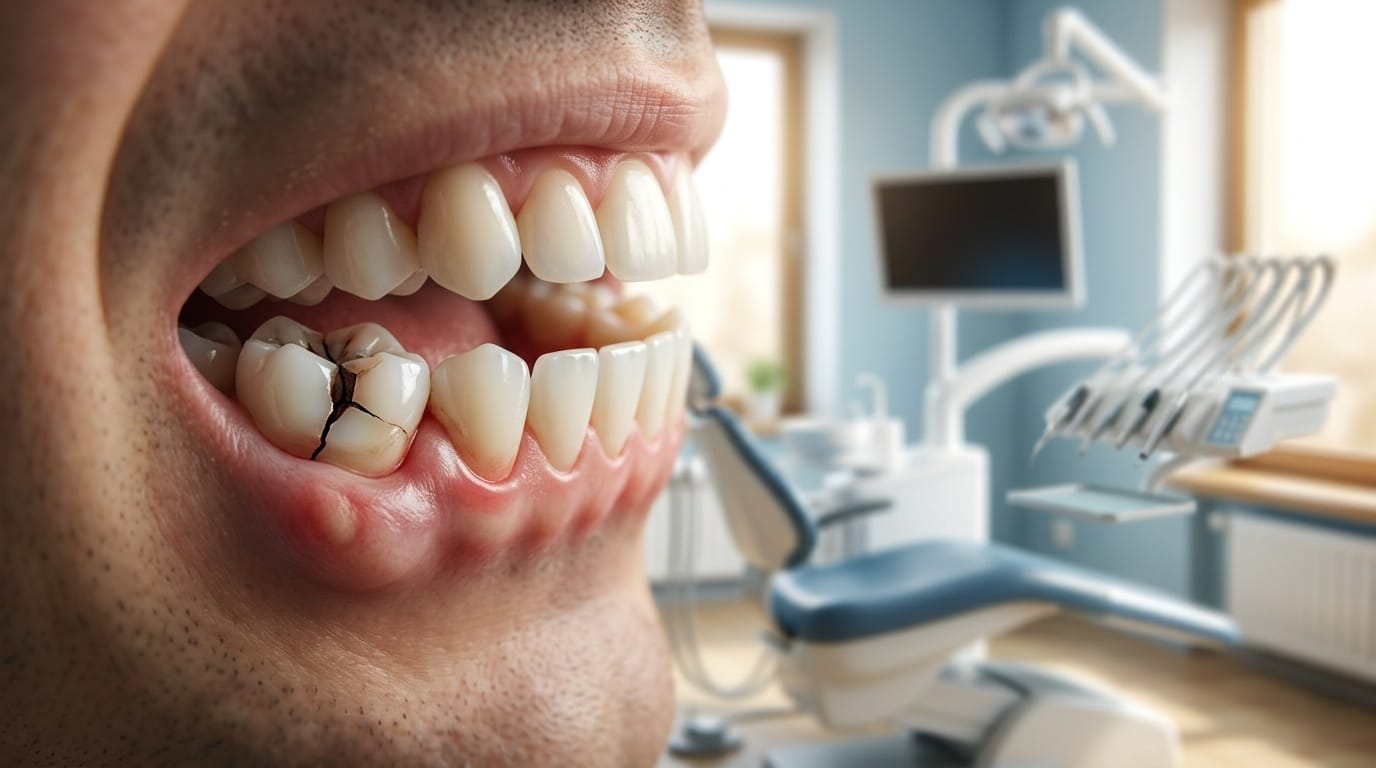
When Is a Tooth Extraction Truly Necessary? Signs Brookline Patients Shouldn’t Ignore
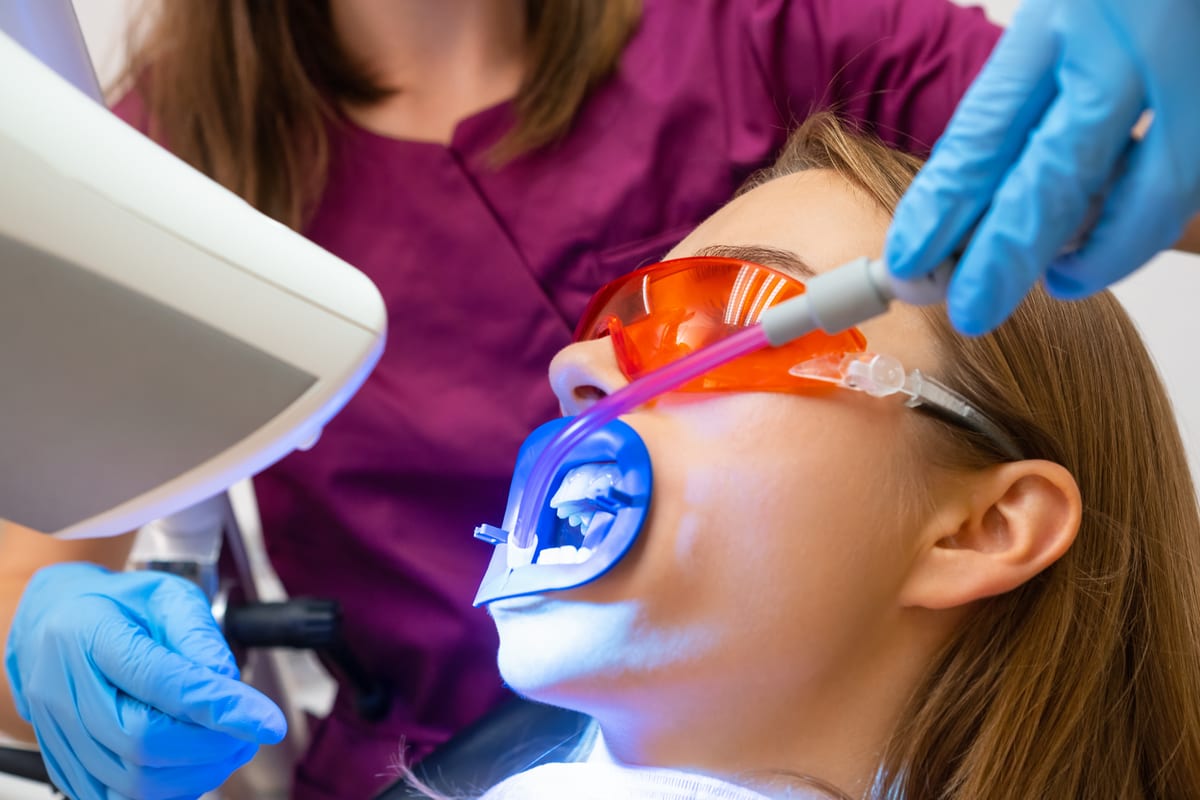
Teeth Whitening Not Working? Stains Explained
Invisalign in Brookline, MA
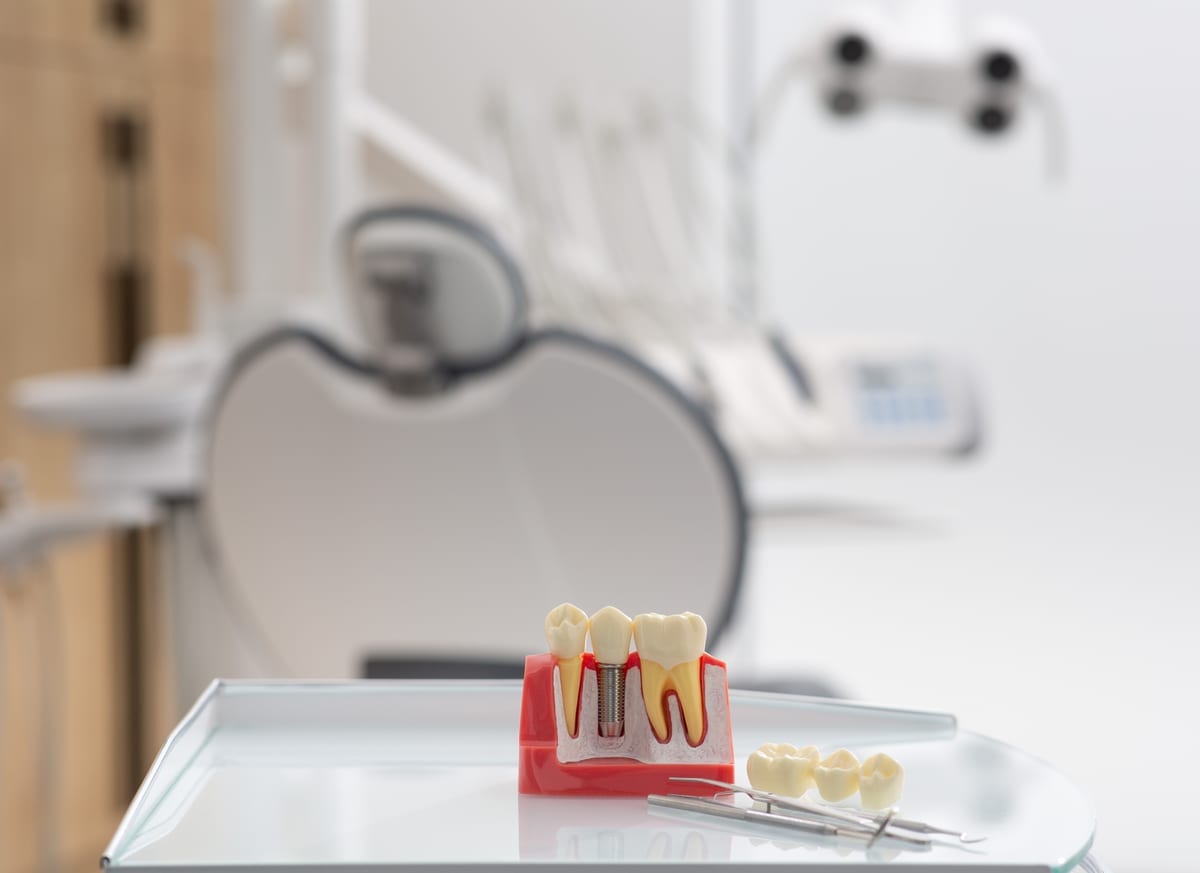
Dental Implants Longevity in Brookline, MA
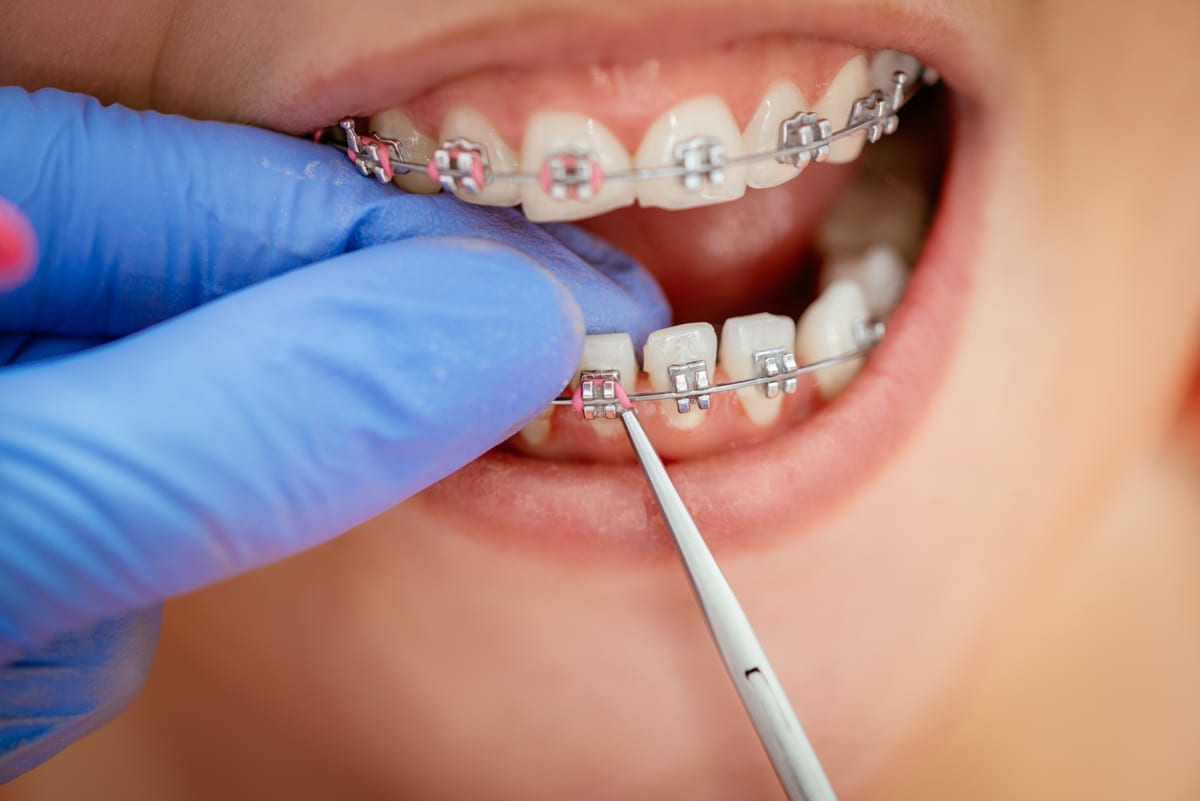
Dental Bridge Recovery Tips in Brookline, MA

Teeth Whitening Sensitivity in Brookline, MA
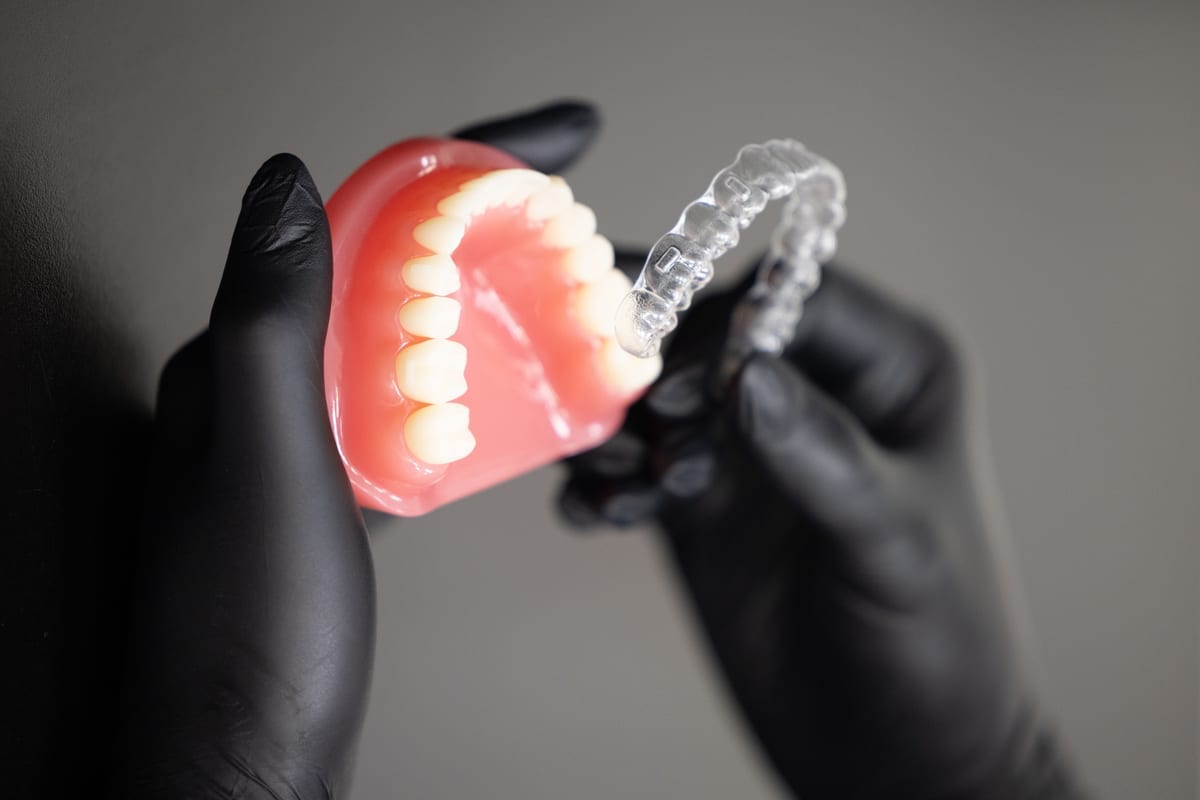
Invisalign Candidacy in Brookline, MA
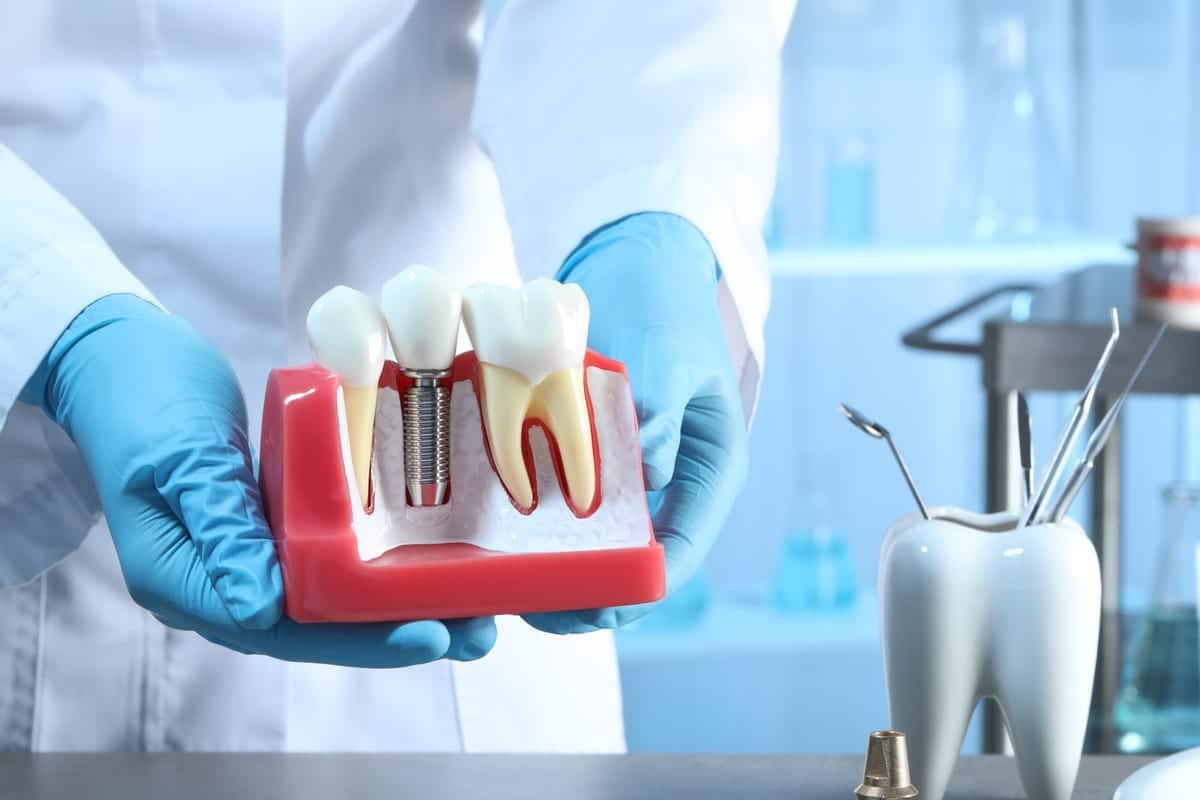
Dental Implant Recovery in Brookline, MA
Dental Bridges Aberdeen: Restore Your Smile Before Summer Celebrations