

Teeth whitening sensitivity is one of the most common concerns patients in Reservoir bring to Beacon Dental Center. You want a brighter smile — but not at the cost of sharp, uncomfortable pain. Understanding teeth whitening sensitivity, why it happens, and how to prevent it in Reservoir helps you make confident decisions about your care. Dr. Richard Shen and our team are here to guide you through every step.
What Causes Teeth Whitening Sensitivity?
Whitening products use peroxide-based agents to lift stains from enamel. These agents temporarily open tiny pores in your enamel called dentinal tubules. When those tubules are exposed, temperature changes and pressure can trigger sharp nerve responses.
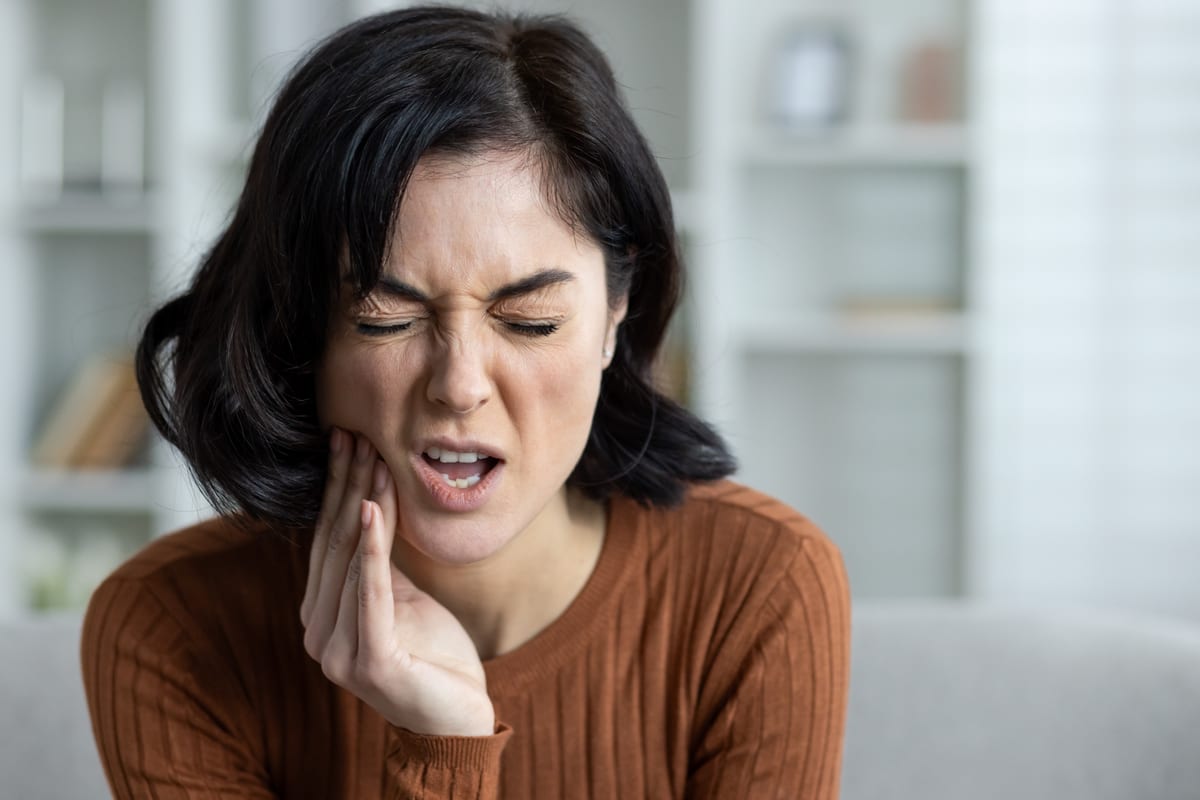
This sensation is often described as a brief, shooting pain or a deep ache. It is not a sign of permanent damage. However, it can be uncomfortable enough to discourage patients from completing their whitening treatment.
Several factors increase your risk of sensitivity. These include naturally thin enamel, existing gum recession, untreated cavities, or a history of sensitivity before whitening. Patients with these conditions need extra care and a personalized approach.
How Dentists Minimize Sensitivity During Whitening Treatments
Professional whitening at Beacon Dental Center is very different from store-bought kits. Dr. Shen carefully evaluates your oral health before any whitening treatment begins. This step catches problems — like early decay or gum issues — that could make sensitivity worse.
Here is what a professional whitening visit typically includes to reduce sensitivity:
- A thorough exam to identify risk factors before treatment
- Custom-fitted trays that protect gums from excess gel exposure
- Lower-concentration peroxide options for sensitive patients
- Desensitizing agents applied before or after the whitening process
- Precise timing to avoid over-exposure of enamel
These precautions dramatically reduce the chance of post-treatment discomfort. Patients who whiten without professional guidance often experience more sensitivity because no one screened for risk factors beforehand.
Good Preventive Dentistry habits also play a major role. Keeping enamel strong through regular cleanings and fluoride treatments makes it more resilient during whitening procedures.
What You Can Do at Home to Prevent Whitening Sensitivity in Reservoir
Managing sensitivity does not stop when you leave the dental chair. There are several effective steps you can take at home. Starting these habits a few days before your appointment helps prepare your teeth.
Try these home strategies to reduce discomfort:
- Switch to a sensitivity-formulated toothpaste at least one week before whitening
- Avoid very hot or cold foods and beverages on the day of treatment
- Use a soft-bristled toothbrush to avoid additional enamel irritation
- Apply a small amount of sensitivity toothpaste directly to sore spots after whitening
- Take an over-the-counter pain reliever if your dentist approves it
Consistency matters here. Patients who follow these steps consistently report much milder sensitivity. Small daily habits create a real difference in your comfort level.
It also helps to avoid acidic foods and beverages for at least 48 hours after treatment. Citrus juices, wine, and sodas can irritate newly opened tubules. Giving your enamel time to remineralize speeds up recovery.
When Sensitivity Signals a Deeper Problem
Most whitening sensitivity resolves within 24 to 72 hours. If your discomfort lasts longer, feels severe, or is localized to one tooth, that is worth a closer look. Lingering pain after whitening can sometimes point to an underlying issue that existed before treatment started.
Deep decay, micro-cracks, or an exposed root surface can all cause prolonged sensitivity. In some cases, a tooth with significant nerve involvement may need Root Canal Therapy to fully resolve the discomfort. This is not caused by whitening itself — whitening simply reveals a problem that was already present.
Dr. Shen always performs a full clinical evaluation before recommending whitening for Reservoir patients. This means catching those issues early and addressing them first. You get a safer, more comfortable whitening experience as a result.
Never ignore pain that feels unusual or does not fade within a few days. Reaching out to your dental team promptly keeps small issues from becoming bigger ones.
Is Professional Whitening Worth It Compared to At-Home Kits?
Many Reservoir patients wonder whether professional whitening is truly necessary. Over-the-counter strips and trays can whiten teeth, but they come with real limitations. They are not customized to your anatomy, and they contain no safeguards for sensitive patients.
Professional whitening offers stronger, faster, and safer results. Dr. Shen monitors the entire process and adjusts the approach based on how your teeth respond. This level of oversight simply is not possible with a kit purchased at a pharmacy.
Patients who have tried at-home kits and experienced intense sensitivity are often surprised by how much more comfortable the professional process feels. The difference lies in preparation, customization, and post-treatment support. You are not just buying a product — you are investing in a supervised experience.
Conclusion: Brighter Smiles, Less Discomfort
Teeth whitening sensitivity is very manageable with the right preparation and professional support. Reservoir patients do not have to choose between a beautiful smile and everyday comfort. Understanding why sensitivity happens — and how to prevent it — puts you in control of your whitening journey.
At Beacon Dental Center, Dr. Richard Shen takes a careful, patient-centered approach to every whitening treatment. We screen for risk factors, customize your plan, and support you through recovery. Book Now to schedule your appointment with our team.
Frequently Asked Questions
How long does teeth whitening sensitivity last?
For most patients, sensitivity after whitening fades within 24 to 72 hours. Using a sensitivity toothpaste and avoiding extreme temperatures speeds up recovery. If sensitivity lasts longer than three days, contact your dentist for an evaluation.
Can I whiten my teeth if I already have sensitive teeth?
Yes, but you need professional guidance. Dr. Shen can assess your enamel and gum health before recommending a whitening approach. Lower-concentration gels and desensitizing treatments make whitening possible even for sensitive patients.
Does whitening toothpaste cause the same sensitivity as bleaching treatments?
Whitening toothpastes use mild abrasives rather than peroxide, so they rarely cause the same level of sensitivity. However, overuse can gradually wear enamel. Ask your dentist how often whitening toothpaste is appropriate for your situation.
Why does one tooth hurt more than the others after whitening?
Localized pain in a single tooth after whitening can signal an underlying issue like a cavity, crack, or nerve involvement. This kind of discomfort should be evaluated promptly. It is not a normal whitening side effect and may require treatment.
How often can I safely whiten my teeth?
Most dentists recommend professional whitening no more than once or twice per year. Whitening too frequently can wear down enamel and increase long-term sensitivity. Dr. Shen can recommend a whitening schedule that keeps your teeth healthy and bright.
Related Articles
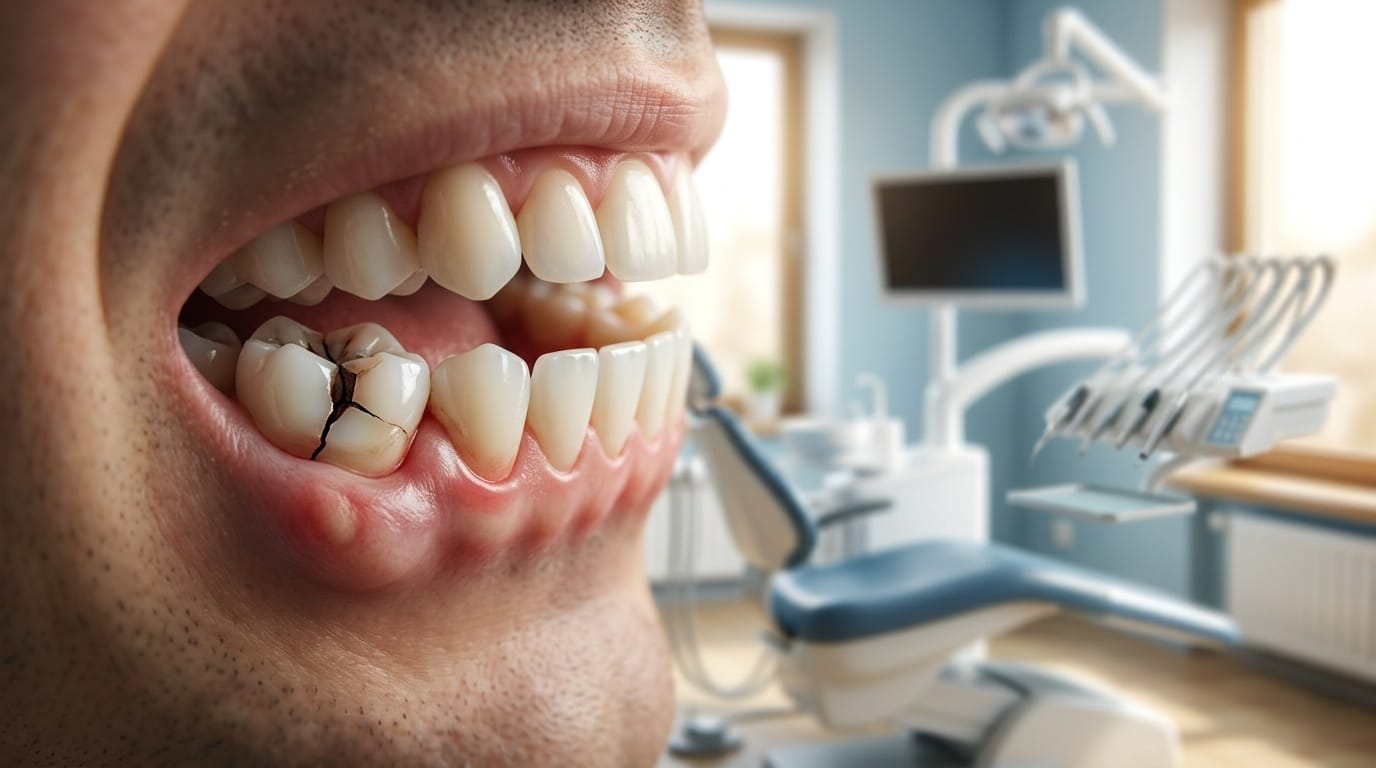
When Is a Tooth Extraction Truly Necessary? Signs Brookline Patients Shouldn’t Ignore
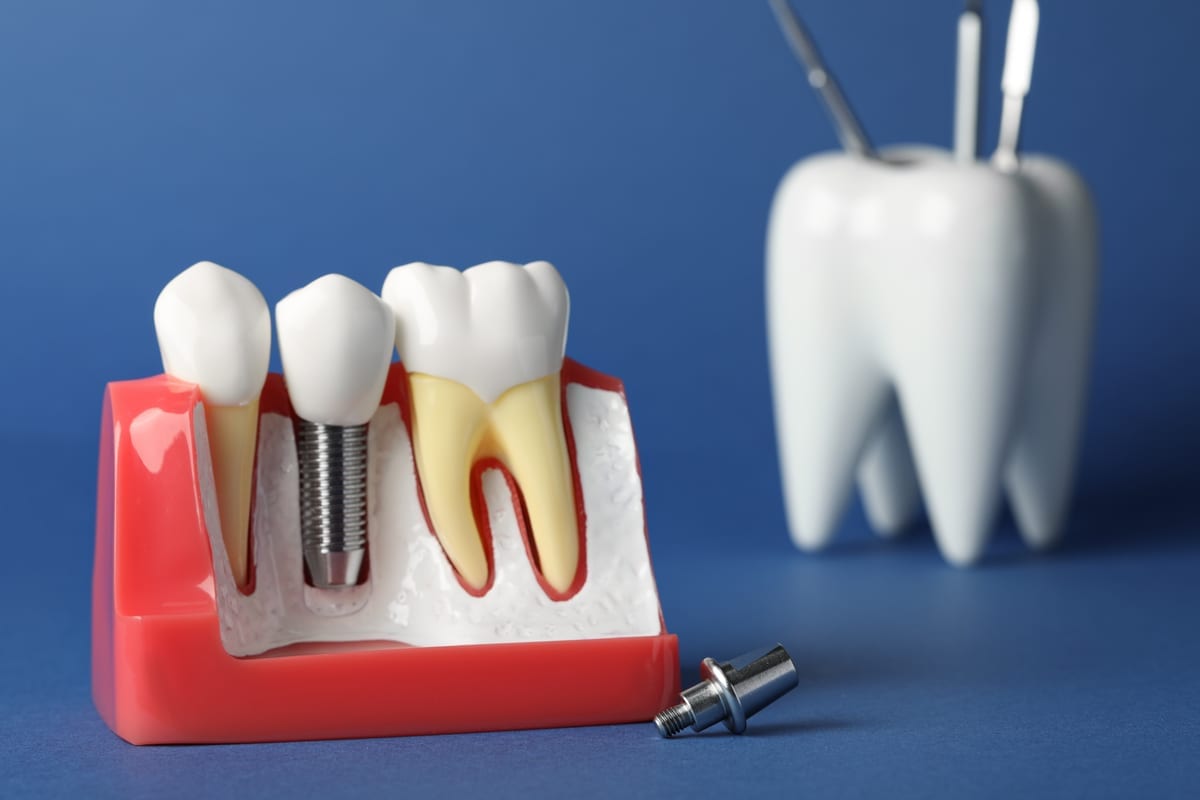
Am I Ready for Dental Implants? What Your Dentist Actually Checks
5 Questions About Dental Bridges Patients Always Ask Us First
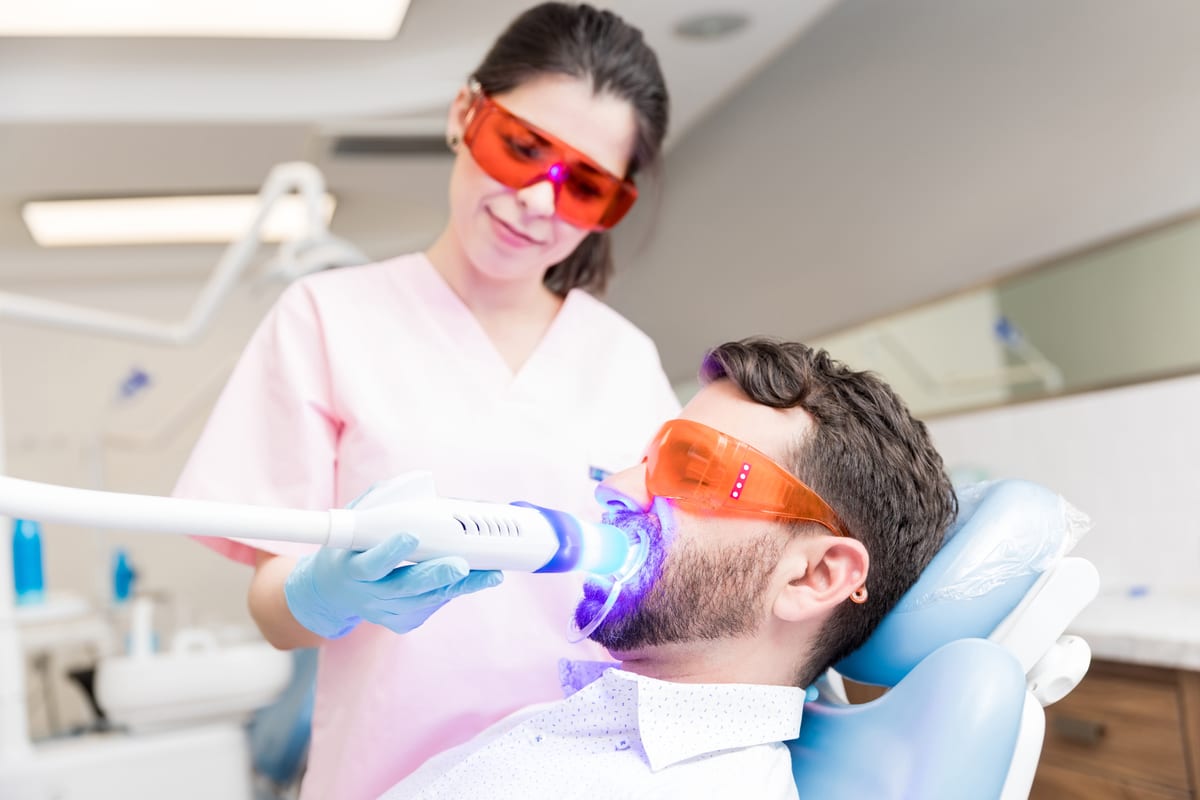
Keep Your Whitening Results Lasting: Our Maintenance Guide
Invisalign at 40, 50, 60: Why It’s Never Too Late for Straight Teeth
5 Dental Implant Myths That Are Keeping You From Smiling
Denture Candidacy: Your Complete Timeline From Extraction to Wearing
Lost Your Crown? Here’s What to Do Before Your Emergency Visit
Lost Your Crown or Filling? Here’s What to Do Right Now