Not every smile is the same — and not every smile is an ideal match for Invisalign. If you’ve been wondering whether your bite qualifies, you’re asking exactly the right question. Patients in Beaconsfield and the broader Brookline area frequently ask Dr. Richard Shen this at Beacon Dental Center. Understanding what Invisalign can and cannot fix helps you make a confident, informed decision. This article breaks it all down clearly.
What Invisalign Can Realistically Fix for Beaconsfield Patients
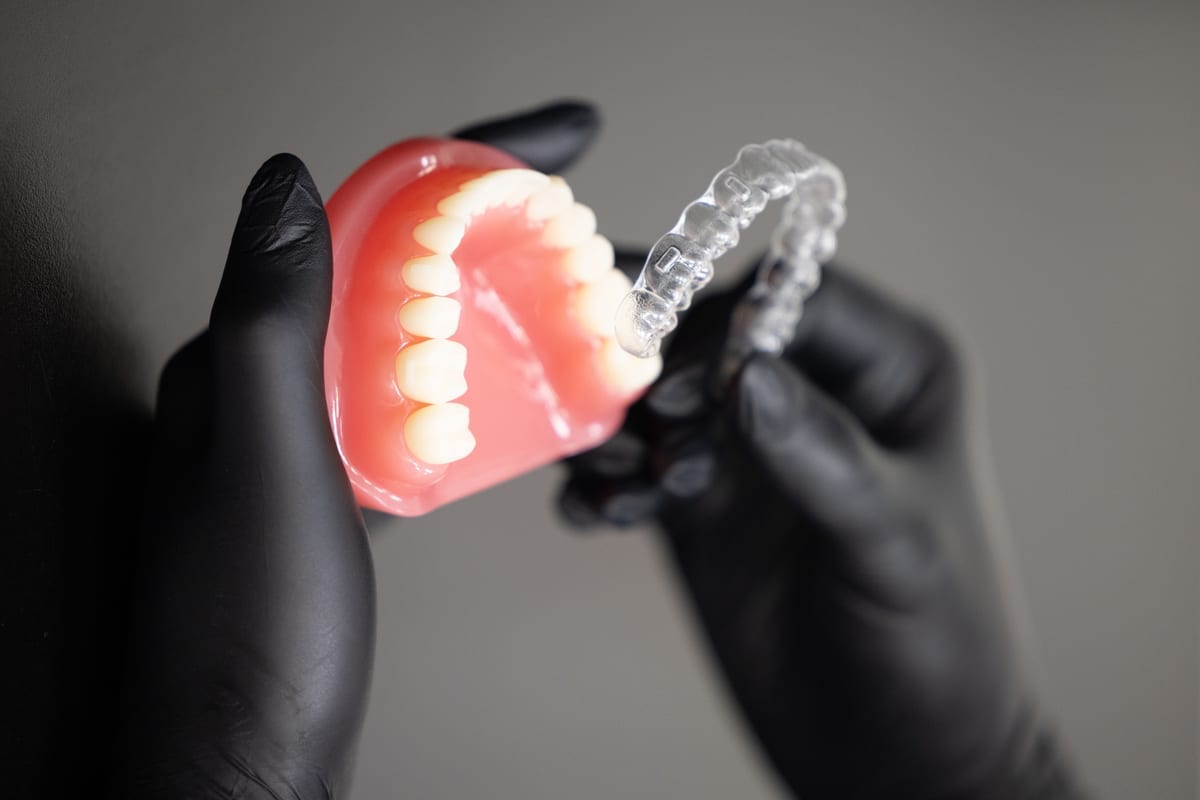
Invisalign uses a series of custom clear aligners to gradually shift teeth into better positions. It works well for a wide range of common alignment issues. Many patients in Beaconsfield are excellent candidates without even realizing it.
Here are the conditions Invisalign handles effectively:
- Mild to moderate crowding — teeth that overlap or are too close together
- Spacing gaps — small to moderate gaps between teeth
- Mild overbite — upper teeth extending too far over lower teeth
- Mild underbite — lower teeth sitting in front of upper teeth
- Crossbite — some upper teeth sitting inside the lower teeth
- Open bite — upper and lower teeth not meeting when the mouth closes
These are among the most frequently seen bite concerns in dental offices. When they fall within the mild-to-moderate range, Invisalign delivers reliable, consistent results. Dr. Shen evaluates each case individually to determine the appropriate scope of treatment.
When Your Bite May Be Too Complex for Invisalign
Invisalign is highly effective — but it does have limitations. Some bite issues require more mechanical force than clear aligners can provide. Traditional braces or other orthodontic appliances become the better choice in those cases.
Invisalign may not be the right fit if you have:
- Severe crowding — teeth significantly rotated or deeply overlapping
- Large gaps — spacing that exceeds what aligners can close predictably
- Significant overbite or underbite — jaw-level discrepancies beyond tooth movement
- Skeletal misalignment — structural jaw problems that may need surgical correction
- Bridgework or certain dental restorations — some existing dental work limits aligner effectiveness
This doesn’t mean you’re out of options. It simply means another treatment path may serve you better. Dr. Shen will always recommend the approach most likely to give you lasting results.
How Dr. Shen Evaluates Your Candidacy in Brookline
A proper candidacy evaluation goes far beyond a quick visual check. At Beacon Dental Center, Dr. Richard Shen takes a comprehensive approach. He examines your bite, jaw alignment, tooth positions, and overall oral health before recommending any treatment.
Good oral health is a prerequisite for starting Invisalign. Any untreated decay, gum disease, or structural concerns must be addressed first. Consistent Preventive Dentistry care is an important foundation before beginning any orthodontic treatment.
Digital imaging and bite mapping help Dr. Shen see the full picture. He uses this data to determine whether Invisalign aligners can achieve the movement your teeth need. If they can, he’ll outline a realistic treatment timeline and expected outcome for you.
Age also plays a role in candidacy. Invisalign works best for adults and older teens whose permanent teeth have fully come in. Younger patients may need to wait or use alternative options designed for developing smiles.
What Happens If You Have Existing Dental Work or Oral Health Concerns
Many adults considering Invisalign have had dental work done over the years. Fillings, crowns, and veneers generally don’t disqualify you from treatment. However, certain restorations can affect how aligners fit and move teeth.
If you’ve had a Root Canal Therapy procedure in the past, that tooth can still move with Invisalign in most cases. The key factor is the health of the surrounding bone and gum tissue. Dr. Shen will assess this carefully before proceeding.
Active gum disease or significant bone loss can compromise treatment outcomes. These conditions affect how teeth move and how stable your results will be over time. Treating those underlying issues first is always the responsible starting point.
Similarly, patients who grind their teeth heavily at night may experience faster aligner wear. This doesn’t automatically disqualify you, but it does require additional planning. Dr. Shen factors in habits like bruxism when designing your treatment plan.
Invisalign vs. Traditional Braces: Choosing the Right Path
Both Invisalign and traditional braces can produce excellent results. The right choice depends on the complexity of your case and your personal priorities. Understanding the differences helps you have a more productive conversation with Dr. Shen.
Invisalign offers clear advantages for the right candidate:
- Nearly invisible appearance during treatment
- Removable for eating, drinking, and cleaning
- No brackets or wires to irritate soft tissue
- Easier to maintain oral hygiene throughout treatment
- Fewer in-office visits for many patients
Traditional braces, on the other hand, allow for more complex tooth movements. They work continuously because you can’t remove them. For patients with more severe bite issues, that constant pressure produces better outcomes.
Some patients also simply prefer braces. Others prioritize discretion during treatment. Neither choice is wrong — it comes down to what matches your bite needs and your lifestyle.
Taking the Next Step Toward a Better Smile in Beaconsfield
If you’ve been wondering whether Invisalign is right for your bite, the best way to know for certain is a professional evaluation. Dr. Richard Shen at Beacon Dental Center provides thorough, honest candidacy assessments. He’ll give you a clear picture of your options — without pressure or guesswork.
Patients in Beaconsfield and across Brookline trust Beacon Dental Center for straightforward guidance. Whether Invisalign is the right fit or another solution serves you better, the goal is always the same: a healthier, more confident smile that lasts. Book Now to schedule your appointment with our team.
Frequently Asked Questions
Can Invisalign fix a significant overbite?
Invisalign can correct mild to moderate overbites effectively. Severe overbites that involve jaw-level skeletal differences may require traditional braces or orthodontic appliances in addition to aligners. Dr. Shen will evaluate the extent of your overbite during your consultation and recommend the most appropriate treatment path.
How long does Invisalign treatment typically take?
Treatment time varies depending on the complexity of your case. Many patients complete Invisalign in 12 to 18 months. Simpler cases may finish sooner, while more involved corrections can take longer. Dr. Shen will give you an estimated timeline based on your specific bite needs.
Do I need to wear my aligners all day?
Yes — Invisalign aligners must be worn 20 to 22 hours per day to work as intended. You remove them only to eat, drink anything other than water, and brush and floss. Consistent wear is the most important factor in achieving your expected results on schedule.
Is Invisalign suitable for teenagers?
Invisalign offers a teen-specific version designed with compliance indicators and extra aligners for active lifestyles. It works well for older teens whose permanent teeth have fully come in. Younger adolescents or patients with developing jaws may be better served by other orthodontic options. Dr. Shen can advise based on your teen’s individual stage of dental development.
What if my bite issue is too complex for Invisalign?
If Invisalign isn’t the right fit for your case, there are still effective options available. Traditional braces provide stronger mechanical force for more complex tooth and bite corrections. Dr. Shen will explain all viable alternatives and help you choose the approach that best fits your dental goals and lifestyle.
Related Articles
When Is a Tooth Extraction Truly Necessary? Signs Brookline Patients Shouldn’t Ignore
Am I Ready for Dental Implants? What Your Dentist Actually Checks
5 Questions About Dental Bridges Patients Always Ask Us First
Keep Your Whitening Results Lasting: Our Maintenance Guide
Invisalign at 40, 50, 60: Why It’s Never Too Late for Straight Teeth
5 Dental Implant Myths That Are Keeping You From Smiling
Denture Candidacy: Your Complete Timeline From Extraction to Wearing
Lost Your Crown? Here’s What to Do Before Your Emergency Visit

Lost Your Crown or Filling? Here’s What to Do Right Now