You and your friend both needed root canals. You both went to Brookline dentists. Yet your bills looked nothing alike. Understanding why your root canal cost more — or less — than your friend’s in Brookline comes down to several specific factors. Tooth location, complexity, and the provider you choose all play a role. This article breaks down each factor so you can make a confident, informed decision.
The Tooth Type Makes a Big Difference in Brookline
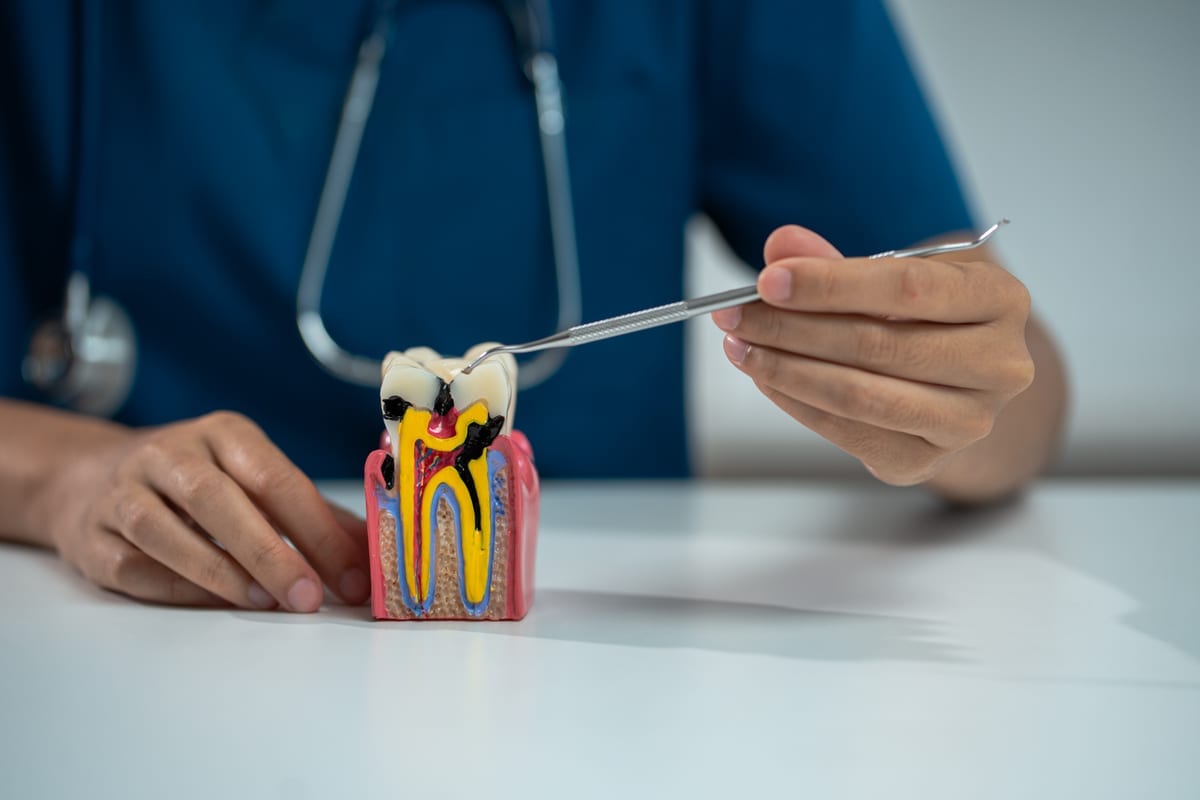
Not all teeth are equal when it comes to root canal treatment. Front teeth have one root canal inside them. Molars in the back of your mouth can have three or four. More canals mean more time, more precision, and more work overall.
Your friend may have had a front tooth treated. You may have needed a molar. That single difference can shift the cost significantly. The anatomy of each tooth drives the complexity of the procedure from the very start.
Dr. Richard Shen at Beacon Dental Center always assesses tooth type first. This helps set realistic expectations before treatment begins. Patients appreciate knowing what they’re facing before they sit in the chair.
Complexity and Case Difficulty Affect Root Canal Cost in Brookline
Beyond tooth type, every root canal case has its own level of difficulty. Some canals are curved, narrow, or calcified. Others are straightforward and follow a predictable path. The more complex the anatomy, the more time and skill the treatment requires.
Previous dental work can also add complexity. A tooth that has had prior restorations or infections may be harder to treat. That added difficulty translates directly into additional procedure time.
Here are common factors that increase case complexity:
- Curved or unusually shaped root canals
- Calcified canals that are difficult to navigate
- Prior failed root canals requiring retreatment
- Severe infections spreading into surrounding tissue
- Cracked roots that complicate the sealing process
Each of these adds layers to an already detailed procedure. Your friend’s straightforward case may have taken under an hour. A more complex case can take considerably longer.
General Dentist vs. Endodontist — Who Performs Your Treatment
Another major factor in cost is who performs the root canal. Endodontists are specialists who focus exclusively on root canal procedures. General dentists like Dr. Shen can also perform root canals, particularly on less complex cases. Specialist referrals often come with higher fees due to specialized training and equipment.
Seeing a general dentist for a straightforward root canal can be more cost-effective. It also keeps your care in one familiar place. Beacon Dental Center handles many root canal cases in-house, which simplifies the process for patients.
When a case is unusually complex, Dr. Shen will refer patients to the appropriate specialist. Your overall health and treatment outcome always come first. That transparent approach helps patients trust the recommendation they receive.
Post-Treatment Restoration Adds to the Final Total
Many patients overlook what happens after the root canal itself. The procedure cleans and seals the inside of the tooth. But the tooth still needs a permanent restoration to function properly.
In most cases, a dental crown is placed over the treated tooth. The crown protects the weakened structure and restores full chewing ability. That crown is a separate procedure with its own associated cost.
Your friend may have needed a simple filling after their root canal. You may have required a full crown. That difference alone can explain a large gap between two final bills. Always ask what restorations will be needed before your root canal begins.
Technology and the Dental Practice Environment
The tools and technology a practice uses also influence cost. Digital X-rays, cone beam CT imaging, and rotary instruments improve accuracy and outcomes. Practices investing in advanced technology often reflect that in their fees.
Beacon Dental Center uses modern diagnostic tools to plan each root canal carefully. That precision reduces the chance of complications or retreatment. Investing in quality technology upfront often saves patients time and expense down the road.
The location and overhead of a dental office also factor in. Brookline practices serving a professional, urban community often operate with different cost structures than suburban or rural offices. That is simply the nature of local market pricing.
Urgency and Emergency Visits Can Shift the Cost
Timing matters too. A root canal scheduled in advance is typically less expensive than one treated as a dental emergency. Emergency appointments often involve after-hours care, expedited diagnostics, and immediate intervention.
If your friend scheduled a routine appointment and you came in with sudden severe pain, your costs likely differed. Emergency Dentistry Brookline services at Beacon Dental Center are available for patients who need urgent relief. Acting early — before pain becomes unbearable — often helps manage both discomfort and cost.
Regular checkups also help catch infections before they escalate. Catching decay or cracks early can sometimes prevent a root canal altogether. Preventive care is always the most cost-effective approach over time.
Other Dental Needs Treated Alongside Root Canals
Sometimes the root canal visit reveals additional concerns. A cracked tooth, gum disease, or nearby decay may need attention at the same time. Treating multiple issues in one visit is efficient, but it does add to the total.
Your friend’s visit may have been a clean, isolated root canal. Your appointment may have uncovered other issues that needed same-day care. That is not uncommon, and it is also not something to fear — it means problems are being caught and addressed.
Some patients also explore full smile restoration options during or after their root canal visits. Services like Invisalign Brookline come up naturally when patients are already thinking about their dental health overall. Beacon Dental Center takes a whole-mouth approach to every visit.
What You Can Do to Plan Ahead in Brookline
Understanding these cost factors puts you in control. You can ask the right questions before agreeing to treatment. You can understand what drives the final number before you see the bill.
Here are smart steps to take before your root canal appointment:
- Ask which tooth needs treatment and how many canals it has.
- Request a full treatment plan including any post-procedure restorations.
- Confirm whether a specialist referral is needed or if the case can be handled in-office.
- Ask if any other dental concerns were identified during your exam.
- Understand the urgency level and whether scheduling flexibility is available.
Being proactive with these questions helps you compare options clearly. It also ensures there are no surprises when treatment is complete. Dr. Shen and the Beacon Dental Center team welcome these conversations.
Conclusion — Your Root Canal Cost Reflects Your Unique Situation
No two root canals are exactly alike. The tooth, the complexity, the provider, the restoration needed, and the urgency all combine to create a final cost unique to your situation. That is why your root canal cost more — or less — than your friend’s in Brookline. Understanding those factors helps you feel informed rather than confused. At Beacon Dental Center, Dr. Richard Shen takes time to explain every step before treatment begins. You deserve clarity, not surprises. Book Now to schedule your appointment with our team.
Frequently Asked Questions
Why does a molar root canal cost more than a front tooth root canal?
Molars have more root canals inside them — sometimes three or four — compared to just one in a front tooth. More canals require more time, more instruments, and greater precision. That added work is why molar root canals typically carry a higher cost than anterior tooth procedures.
Does getting a root canal from a specialist cost more than from a general dentist?
Yes, endodontists typically charge more because they specialize exclusively in root canal procedures and use highly specialized equipment. General dentists like Dr. Shen can handle many root canals effectively and often at a lower cost. Complex or unusual cases may still require a specialist referral for the best outcome.
Is the crown after a root canal included in the root canal cost?
No, the dental crown is a separate procedure from the root canal itself. The root canal cleans and seals the inside of the tooth. The crown is placed afterward to protect and restore function, and it carries its own separate fee.
Can I reduce my root canal cost by scheduling early rather than waiting?
Yes, treating a problem early — before it becomes a dental emergency — can help manage costs. Emergency appointments often involve additional fees for urgent care and expedited diagnostics. Regular checkups at Beacon Dental Center help catch issues before they escalate into more complex and costly treatment.
How do I know if my root canal case is considered complex?
Dr. Richard Shen will assess your tooth using digital X-rays and a clinical exam before treatment begins. Factors like curved canals, prior dental work, infection severity, and tooth structure all influence complexity. You will receive a full treatment plan so you understand exactly what your case involves before any work begins.
Related Articles
When Is a Tooth Extraction Truly Necessary? Signs Brookline Patients Shouldn’t Ignore

Lost Your Crown? Here’s What to Do Before Your Emergency Visit

Lost Your Crown or Filling? Here’s What to Do Right Now
Why Your Root Canal Cost More (Or Less) Than Your Friend’s

Dental Bridges in Brookline, MA
Teeth Whitening Not Working? Stains Explained

Invisalign in Brookline, MA
Dental Implants Longevity in Brookline, MA
Dental Bridge Recovery Tips in Brookline, MA