

Dental bridges last 10-15 years—here’s what extends that timeline in Aberdeen and the greater Brookline area. If you recently received a dental bridge, or you’re considering one, understanding longevity is key. The lifespan of your bridge depends on much more than the materials used. Daily habits, oral hygiene, and professional care all play a major role.
Dr. Richard Shen at Beacon Dental Center works with patients throughout the Aberdeen area. He sees firsthand how small decisions lead to big differences in bridge longevity. This article breaks down exactly what shortens or extends a bridge’s life. You’ll also learn what maintenance looks like over the long term.
How Long Do Dental Bridges Actually Last in Aberdeen?
The average dental bridge lasts between 10 and 15 years. Some patients keep theirs functioning well beyond that range. Others see problems arise in as little as five to seven years. The difference almost always comes down to care and lifestyle habits.
A dental bridge is a fixed restoration. It uses crowns on adjacent teeth—called abutment teeth—to anchor an artificial tooth in between. That structure endures significant daily stress from chewing and biting. Over time, wear and decay at the margins are the most common causes of early failure.
Aberdeen patients should also consider how local lifestyle factors play in. Diets high in hard or sticky foods accelerate wear. Clenching or grinding—often stress-related—puts extra strain on the bridge. Knowing your personal risk factors helps you and Dr. Shen plan proactively.
What Shortens the Lifespan of a Dental Bridge?
Several factors cut a bridge’s lifespan shorter than the expected 10-15 years. Recognizing these risks early gives you a chance to correct course before damage sets in.
The most common lifespan reducers include:
- Poor oral hygiene: Plaque buildup under and around the bridge leads to gum disease and decay on abutment teeth.
- Teeth grinding (bruxism): Constant pressure cracks or chips the crown material over time.
- Hard or sticky foods: Chewing ice, hard candy, or sticky caramel can dislodge or fracture a bridge.
- Skipping dental checkups: Problems caught late are much harder and costlier to fix.
- Untreated gum disease: Gum recession exposes the margins of the bridge, inviting bacteria and decay.
Each of these factors is largely within your control. That’s the encouraging part. Small, consistent habits prevent the majority of premature bridge failures.
What Extends Your Bridge’s Timeline—Practical Tips From Dr. Shen
The good news is that most patients can realistically push their bridge well past the 10-year mark. Dr. Shen recommends a straightforward but consistent approach to bridge care in Aberdeen.
Daily hygiene is the foundation. Brushing twice daily with a soft-bristled toothbrush keeps plaque from accumulating at the bridge margins. Flossing under the bridge with a floss threader or water flosser removes debris that a regular toothbrush can’t reach. This step alone dramatically reduces the risk of decay in abutment teeth.
Here are the most effective habits for extending your bridge’s lifespan:
- Use a floss threader or water flosser daily to clean beneath the pontic (artificial tooth).
- Wear a night guard if you grind your teeth during sleep.
- Avoid biting hard objects like ice, pens, or hard candies.
- Schedule biannual cleanings and exams with your Brookline dentist.
- Address gum issues immediately rather than waiting for your next scheduled visit.
Investing in Preventive Dentistry is one of the smartest decisions a bridge patient can make. Routine care protects both the bridge and the surrounding natural teeth that support it.
The Role of Abutment Teeth and Supporting Structures
Your dental bridge is only as strong as the teeth holding it. Abutment teeth bear the load of the bridge every time you chew. If these teeth weaken, the entire restoration is at risk.
Decay is the most serious threat to abutment teeth. It can develop silently beneath the crown that caps each abutment. By the time you feel pain, the decay may have progressed significantly. This is why regular X-rays and exams are so essential for bridge patients.
In some cases, an untreated infection in an abutment tooth may require Root Canal Therapy. Addressing the infection early saves the tooth and preserves the bridge. Ignoring the problem often leads to tooth loss—and the need to replace the entire bridge structure.
Gum health matters just as much. Recession exposes root surfaces and bridge margins to bacteria. Patients in Aberdeen with a history of gum disease need more frequent monitoring. Dr. Shen tailors care plans to each patient’s individual risk profile.
Professional Maintenance: What to Expect at Your Checkups
Routine dental visits take on extra importance when you have a bridge. These appointments aren’t just about cleaning your teeth. They’re an active quality check on the bridge itself.
At each visit, Dr. Shen will examine the bridge margins for signs of leakage or decay. He’ll check the bite to ensure the bridge isn’t absorbing uneven pressure. Gum tissue around the abutment teeth gets examined for early signs of recession or inflammation. X-rays taken periodically reveal what’s happening beneath the surface.
Professional cleanings also remove hardened calculus that home brushing can’t address. Calculus buildup at the bridge margins is a primary cause of gum irritation and early decay. Biannual visits keep this under control and extend the bridge’s functional years.
Patients who maintain a consistent hygiene routine and keep regular appointments often see their bridges last 15 years or more. That outcome is absolutely achievable for Aberdeen patients who partner with an experienced dental team.
Frequently Asked Questions
How do I know when my dental bridge needs to be replaced?
Signs that a bridge may need replacement include sensitivity near the abutment teeth, visible cracks or chips in the bridge material, loosening of the bridge, pain when biting, or new decay detected on X-rays. If you notice any of these, schedule an exam with Dr. Shen promptly.
Can I eat normally with a dental bridge?
Most foods are completely fine with a bridge. You should avoid extremely hard items like ice or hard candies, and very sticky foods that could dislodge the restoration. Otherwise, a well-fitted bridge allows you to eat comfortably and confidently.
Does grinding my teeth really shorten a bridge’s lifespan?
Yes, significantly. Bruxism places repetitive, excessive force on the bridge material and the abutment teeth. Over time, this leads to cracking, chipping, or loosening. A custom night guard from Beacon Dental Center can protect both the bridge and your natural teeth during sleep.
What happens if an abutment tooth develops a problem?
If an abutment tooth becomes infected or decayed, treatment options depend on the severity. Root canal therapy can often save the tooth and preserve the bridge. In more advanced cases, extraction may be necessary, which would require the bridge to be redesigned. Early intervention is always the best approach.
Is a dental bridge a permanent solution?
A dental bridge is a long-term but not permanent solution. With proper care, it can last 10-15 years or longer. At some point, wear or structural changes in the surrounding teeth may require replacement. Regular monitoring by Dr. Shen helps you know well in advance when a bridge is approaching the end of its functional life.
Dental bridges are a proven, durable solution for missing teeth—and with the right care, Aberdeen patients can confidently expect them to perform well for a decade or more. Dr. Richard Shen and the team at Beacon Dental Center are here to help you protect your investment every step of the way. Book Now to schedule your appointment with our team.
Related Articles
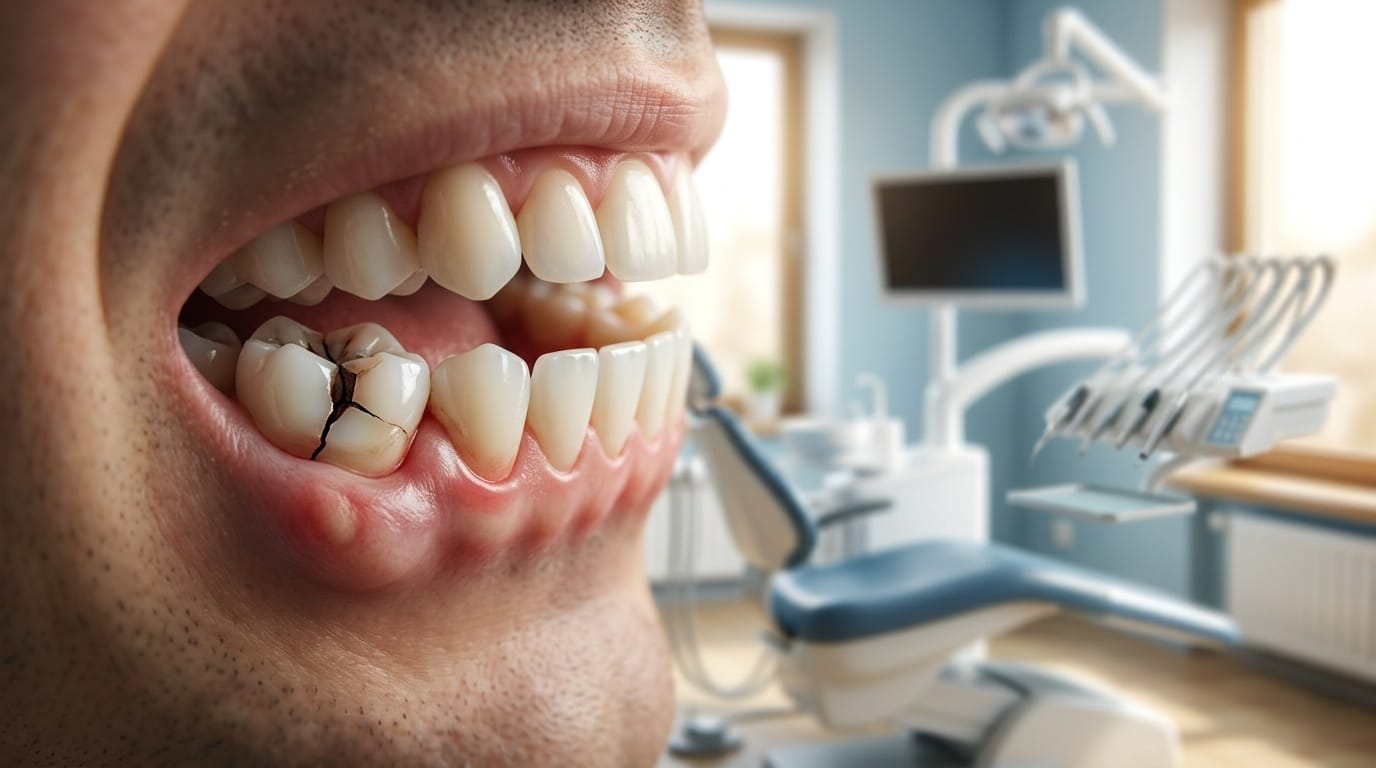
When Is a Tooth Extraction Truly Necessary? Signs Brookline Patients Shouldn’t Ignore
Invisalign at 40, 50, 60: Why It’s Never Too Late for Straight Teeth
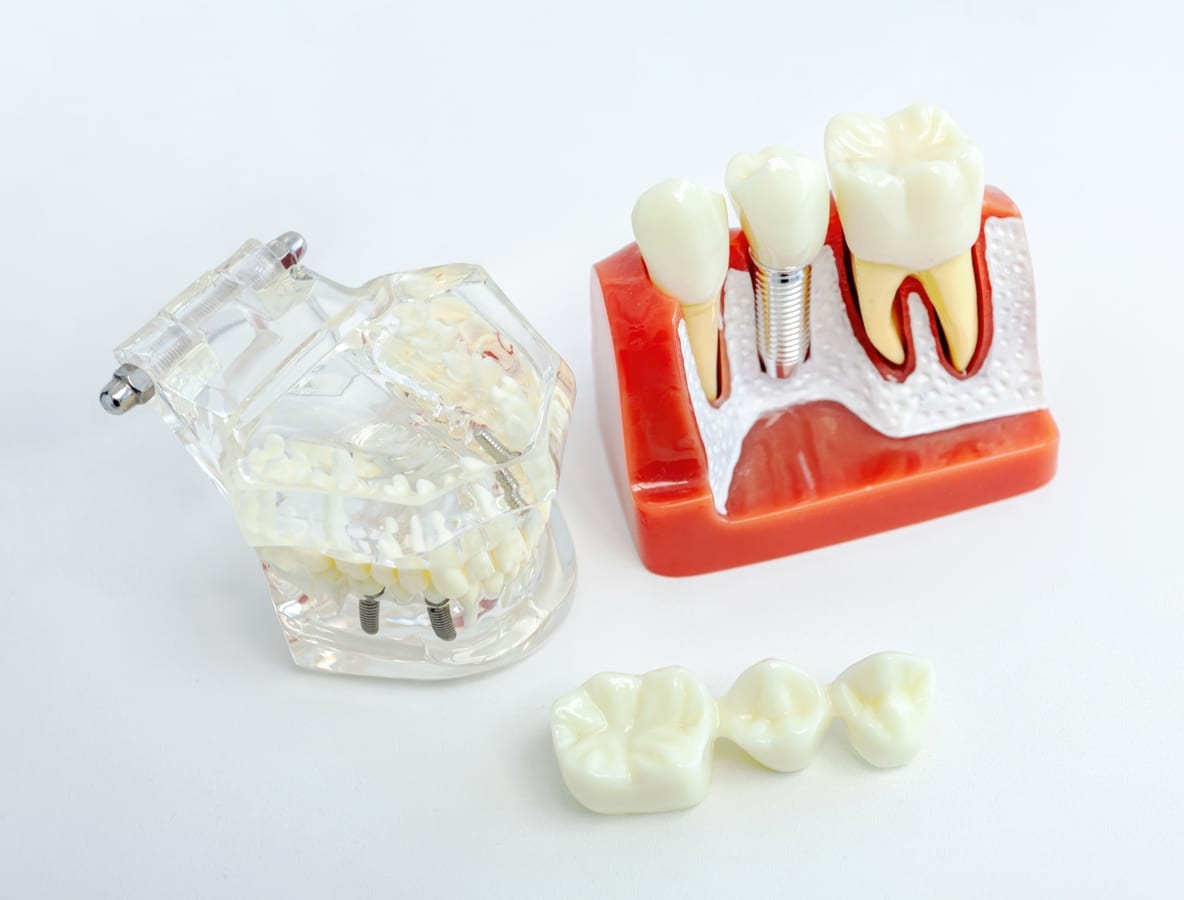
5 Dental Implant Myths That Are Keeping You From Smiling
Denture Candidacy: Your Complete Timeline From Extraction to Wearing
Lost Your Crown? Here’s What to Do Before Your Emergency Visit

Lost Your Crown or Filling? Here’s What to Do Right Now
Why Your Root Canal Cost More (Or Less) Than Your Friend’s
Dental Bridges in Brookline, MA
Teeth Whitening Not Working? Stains Explained