
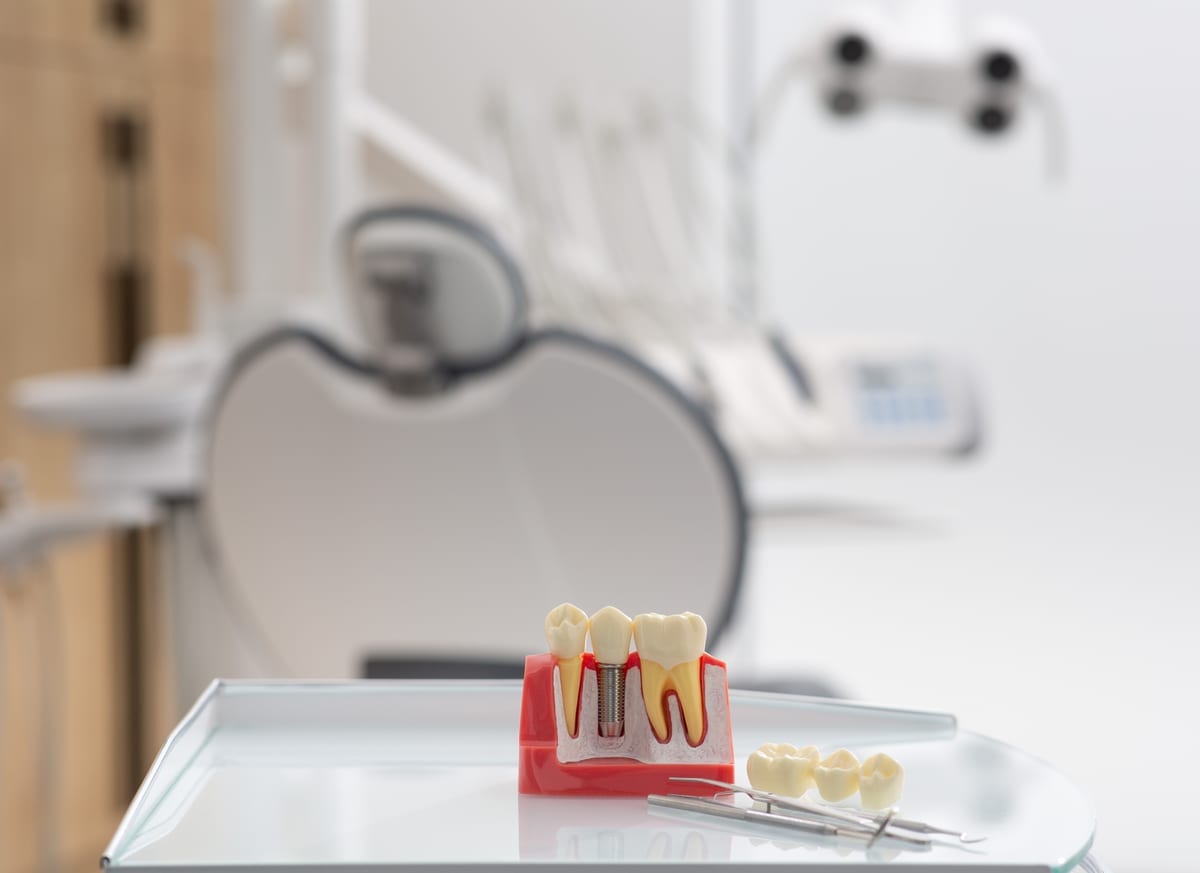
Many Brookline patients ask the same question before committing to treatment: can dental implants really last your entire lifetime in Brookline? It is a fair question. Implants represent a significant investment of time, money, and trust. The honest answer is yes — with the right care, dental implants can last decades, and often an entire lifetime. Dr. Richard Shen at Beacon Dental Center wants you to understand exactly what makes that possible.
How Long Do Dental Implants Actually Last?
Dental implants consist of three parts: the titanium post, the abutment, and the crown. The titanium post fuses with your jawbone through a process called osseointegration. Once fully integrated, the post itself can last a lifetime with proper oral care.
The crown placed on top typically lasts 10 to 25 years. Crowns experience daily chewing forces, which causes gradual wear over time. Replacing the crown does not mean replacing the entire implant. Most patients simply need a new crown after many years of normal use.
Long-term studies show implant success rates above 95% at ten years. Many patients enjoy fully functional implants well into their 70s and 80s. Longevity is not a lucky accident — it comes from informed choices and consistent habits.
Can Dental Implants Really Last Your Entire Lifetime in Brookline? Key Factors That Determine Lifespan
Several factors directly influence how long your implants perform. Some are within your control, and some are health-related. Understanding these factors helps you protect your investment from day one.
Factors that can shorten implant lifespan include:
- Smoking or tobacco use, which restricts blood flow and slows healing
- Uncontrolled diabetes, which impairs osseointegration
- Gum disease left untreated around the implant site
- Grinding or clenching teeth without wearing a nightguard
- Poor oral hygiene habits that allow bacteria to accumulate
- Skipping regular dental checkups and professional cleanings
Gum disease is one of the leading causes of implant failure. A condition called peri-implantitis — infection around the implant — can destroy the bone that holds the implant in place. Catching it early makes a critical difference in outcome.
Factors that support a lifetime of implant success include:
- Brushing twice daily with a soft-bristled toothbrush
- Flossing or using an interdental brush around the implant daily
- Attending every scheduled checkup with your dentist
- Wearing a custom nightguard if you grind your teeth
- Managing systemic health conditions like diabetes carefully
- Avoiding hard foods that place excessive force on crowns
The Role of Bone Health in Implant Longevity
Healthy jawbone is the foundation of any successful implant. The titanium post must fuse securely with sufficient bone tissue. Patients who have experienced bone loss may need a bone graft before implant placement.
Once the implant integrates, it actually stimulates the jawbone. This stimulation prevents further bone loss — something dentures and bridges cannot provide. Over time, this benefit helps preserve your facial structure and oral health.
Bone health can be compromised by smoking, prolonged tooth loss, or certain medications. Dr. Shen evaluates bone density carefully before recommending implants. This assessment helps predict long-term success and identify any additional steps needed.
Good overall health plays a direct role here as well. Patients who maintain stable systemic health tend to experience better osseointegration. Your whole-body wellness directly supports your dental implant outcome.
How Preventive Care Protects Your Implant Investment
Routine dental care is not optional when you have implants — it is essential. Professional cleanings remove bacterial buildup that home brushing cannot fully address. These visits allow Dr. Shen to monitor the gum tissue and bone around each implant.
Consistent Preventive Dentistry visits every six months are the single best thing you can do for implant longevity. Early detection of peri-implantitis, gum disease, or crown wear allows for simple interventions. Waiting until symptoms worsen makes treatment more complex and costly.
Some patients also benefit from additional services that protect adjacent teeth. For example, Root Canal Therapy on neighboring teeth can prevent infection from spreading toward an implant site. Protecting every tooth around an implant helps protect the implant itself.
Patients in Brookline have access to comprehensive dental care right in their community. Dr. Shen coordinates your full oral health plan to keep implants and natural teeth thriving together.
What to Expect During Long-Term Implant Maintenance at Beacon Dental Center
At Beacon Dental Center, implant care does not end after the crown is placed. Dr. Shen schedules follow-up visits specifically to monitor your implant’s integration and crown condition. These visits are typically quick but provide important peace of mind.
During maintenance appointments, the team checks for signs of peri-implantitis, bone stability, and crown wear. X-rays taken periodically reveal bone changes that are not visible to the naked eye. This proactive approach catches issues before they become serious problems.
Patients also receive personalized guidance on at-home care between visits. The right brushing technique and flossing tools matter more than most people realize. Small adjustments to your daily routine can meaningfully extend the life of your implant.
The goal at Beacon Dental Center is simple: help every Brookline patient enjoy a confident, functional smile for life. Implants are one of the best tools available for achieving that goal.
Conclusion: Your Lifetime Smile Starts With the Right Decision
Dental implants can genuinely last a lifetime when patients commit to proper care. The titanium post, once integrated, is remarkably durable and biocompatible. What matters most is what you do after placement — and who supports you along the way.
Dr. Richard Shen and the team at Beacon Dental Center in Brookline, MA are here to guide you through every stage of implant care. From the initial consultation to decades of follow-up visits, your long-term success is the priority. You deserve a smile that lasts as long as you do. Book Now to schedule your appointment with our team.
Frequently Asked Questions
Can dental implants really last your entire lifetime in Brookline?
Yes, dental implants can last a lifetime for many patients. The titanium post that fuses with your jawbone is extremely durable and biocompatible. The crown on top may need replacement after 10 to 25 years due to normal wear. With consistent oral hygiene and regular dental visits, the implant itself often lasts decades without issue.
What is the most common reason dental implants fail?
Peri-implantitis — an infection of the gum and bone surrounding the implant — is one of the leading causes of implant failure. Poor oral hygiene allows bacteria to accumulate, which triggers this destructive infection. Smoking and uncontrolled systemic health conditions also significantly increase failure risk. Early detection and treatment at regular checkups can prevent most implant failures.
How often should I visit the dentist after getting a dental implant?
Most patients should visit Dr. Shen every six months for professional cleanings and implant monitoring. Some patients with a history of gum disease may benefit from more frequent visits. These appointments allow the dental team to check bone stability, crown condition, and gum health. Consistent preventive care is the most reliable way to protect your implant long-term.
Does teeth grinding affect dental implant longevity?
Yes, bruxism — the grinding or clenching of teeth — places excessive force on implant crowns and can loosen or crack them over time. It may also stress the bone surrounding the implant post. Wearing a custom-fitted nightguard can greatly reduce this risk. Dr. Shen can evaluate whether bruxism is a concern and recommend the right protective solution for you.
Are dental implants a good long-term alternative to dentures or bridges in Brookline?
Dental implants offer distinct advantages over dentures and bridges in terms of longevity and function. Unlike dentures, implants stimulate the jawbone and prevent bone loss. Unlike bridges, they do not require altering healthy neighboring teeth. For patients in Brookline who want a durable, natural-feeling tooth replacement, implants are widely considered the gold standard long-term solution.
Related Articles
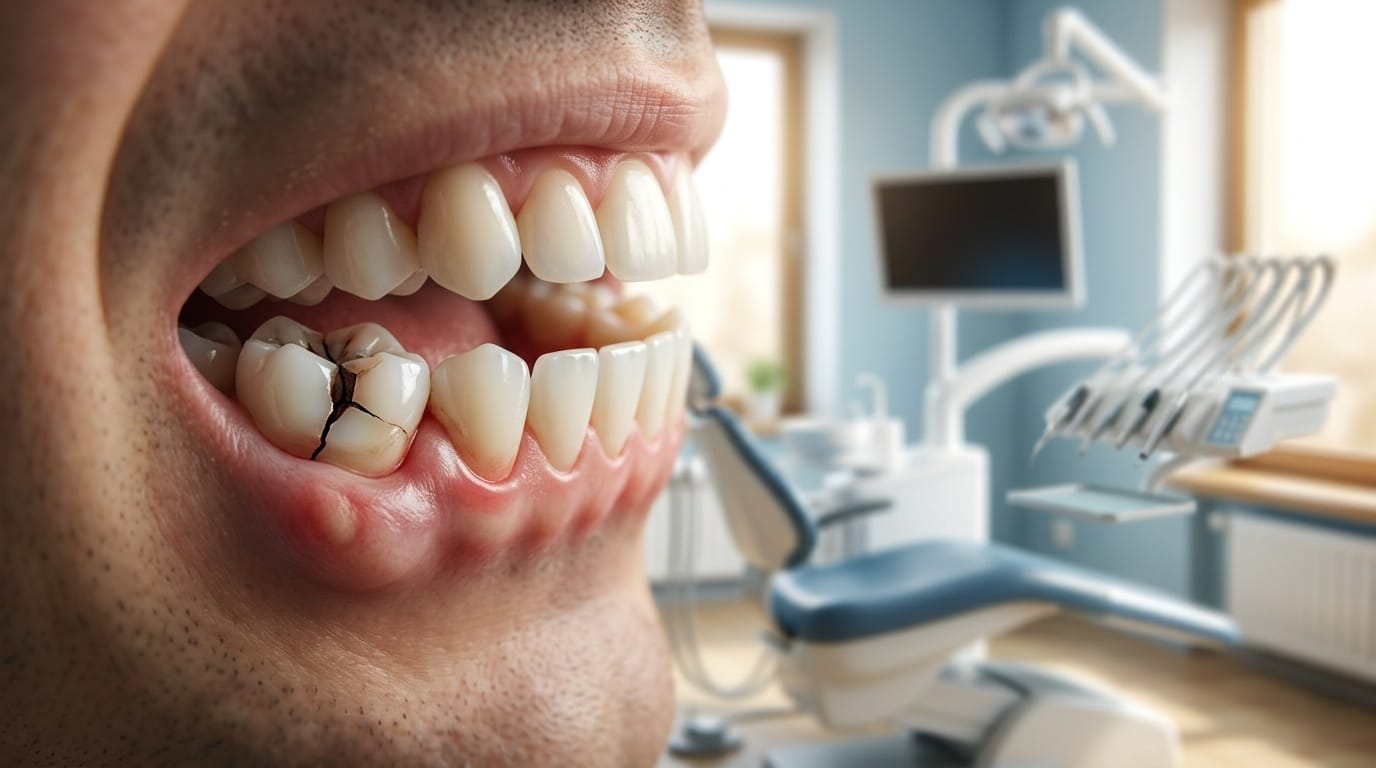
When Is a Tooth Extraction Truly Necessary? Signs Brookline Patients Shouldn’t Ignore
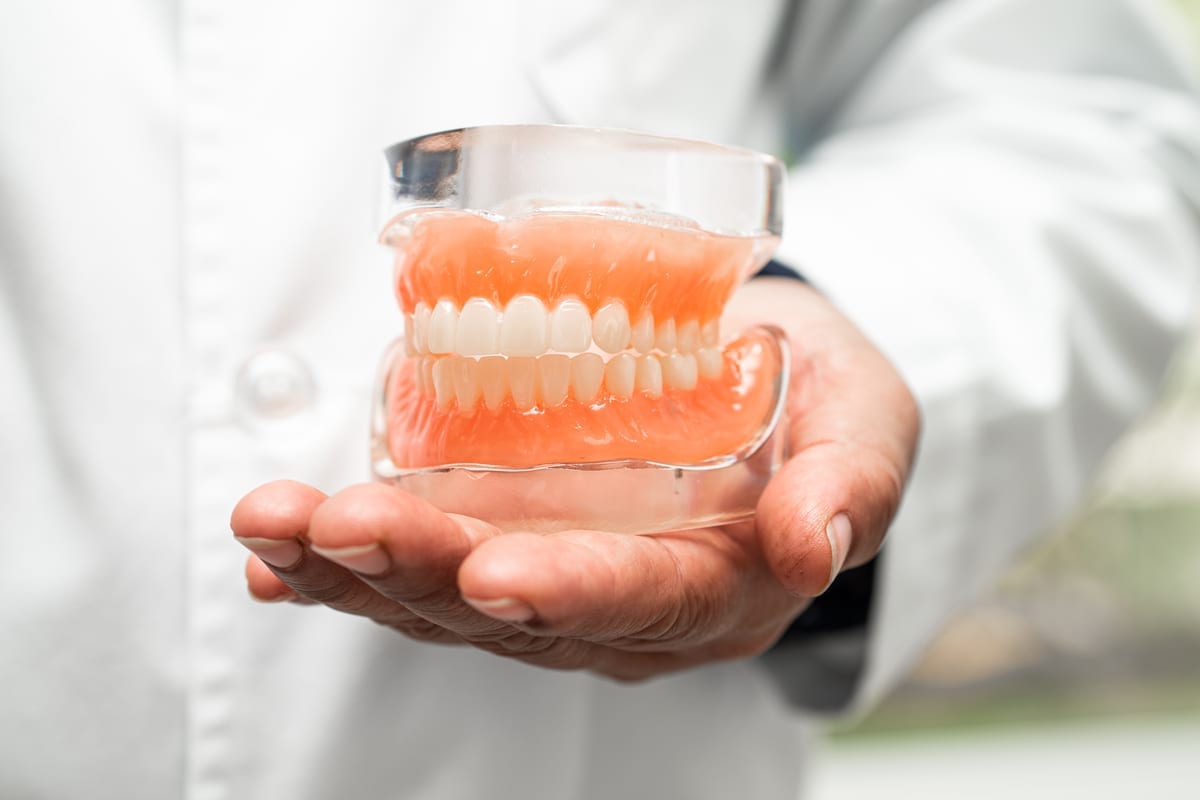
Denture Candidacy: Your Complete Timeline From Extraction to Wearing
Lost Your Crown? Here’s What to Do Before Your Emergency Visit

Lost Your Crown or Filling? Here’s What to Do Right Now
Why Your Root Canal Cost More (Or Less) Than Your Friend’s

Dental Bridges in Brookline, MA
Teeth Whitening Not Working? Stains Explained

Invisalign in Brookline, MA
Dental Implants Longevity in Brookline, MA