
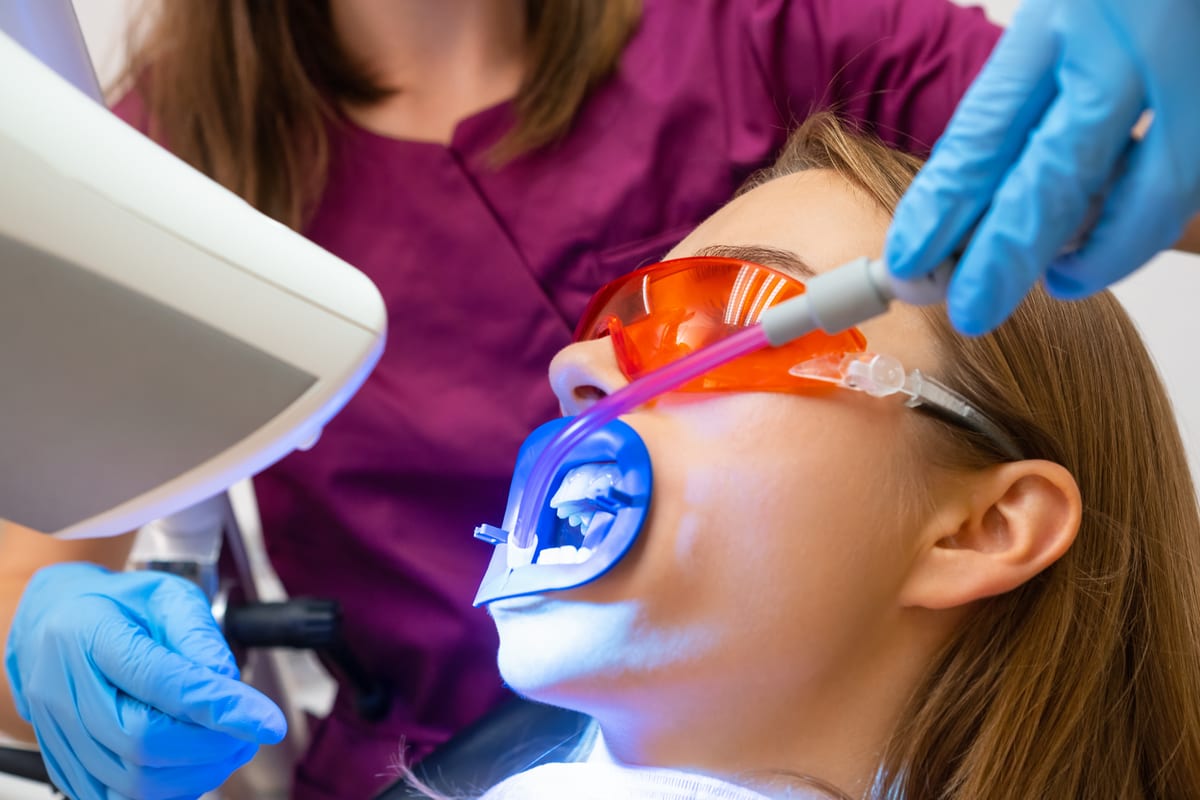
You have tried whitening strips, trays, or even professional treatments. Yet your smile still looks dull or discolored. If you live near Reservoir, MA and wonder why your teeth whitening isn’t working, the answer often comes down to one key distinction: intrinsic vs. extrinsic stains. Not all stains respond the same way to whitening products. Understanding the difference can save you time, money, and frustration.
What Are Extrinsic Stains — And Why Whitening Works on Them
Extrinsic stains sit on the outer surface of your tooth enamel. They develop from things you eat, drink, or expose your teeth to every day. These are the stains that most whitening products are designed to target.
Common causes of extrinsic staining include:
- Coffee, tea, and red wine
- Dark-colored sauces and berries
- Tobacco and smoking products
- Poor brushing habits that allow surface buildup
Whitening gels use peroxide to break apart these surface pigments. When stains are truly extrinsic, whitening tends to work well. A professional treatment from Dr. Richard Shen at Beacon Dental Center can produce noticeably brighter results. Over-the-counter options can also help, though they are typically less concentrated.
Keeping up with Preventive Dentistry visits is one of the best ways to manage extrinsic stains before they deepen. Regular cleanings remove surface buildup that whitening alone cannot always eliminate.
What Are Intrinsic Stains — And Why Whitening Often Fails
Intrinsic stains are different. They form inside the tooth structure itself, beneath the enamel layer. No amount of surface whitening will reach them. This is precisely why your teeth whitening isn’t working in some cases — you may be dealing with intrinsic discoloration.
Intrinsic stains can develop from several sources:
- Tetracycline or other antibiotic use during tooth development
- Excessive fluoride exposure in childhood (fluorosis)
- Tooth trauma that causes internal bleeding or nerve damage
- Natural aging, which thins enamel and reveals darker dentin beneath
- Certain medications or systemic conditions
These stains are embedded in the dentin layer. Whitening agents cannot penetrate deeply enough to change them. Patients in Reservoir, MA who have tried multiple whitening rounds without results should consider whether their staining is intrinsic rather than extrinsic.
A tooth that has experienced trauma deserves special attention. A darkened tooth after an injury may signal internal damage. In some cases, Root Canal Therapy may be necessary to address the underlying issue before any cosmetic work can be done.
How a Dentist Determines Which Type of Stain You Have
Identifying the type of stain requires a professional evaluation. Dr. Richard Shen examines the color, location, and pattern of discoloration during your visit. The history of your dental health and lifestyle habits also plays a role in the diagnosis.
A thorough exam at Beacon Dental Center typically includes:
- A visual inspection of tooth color and texture
- A review of your dental and medical history
- X-rays to check for internal damage or structural changes
- A discussion of prior whitening attempts and results
This process helps determine whether whitening is the right path forward. If intrinsic staining is identified, Dr. Shen will recommend appropriate cosmetic alternatives. Guessing at home can lead to repeated disappointment and unnecessary product costs.
Understanding the stain type is not just about aesthetics. It can reveal underlying dental health concerns that deserve treatment. A professional evaluation gives you clarity and a realistic plan.
What Alternatives Work for Intrinsic Stains
When whitening cannot solve the problem, cosmetic dentistry offers effective alternatives. These options work by covering or replacing the discolored tooth structure rather than bleaching it. The right solution depends on your specific situation and goals.
For intrinsic staining, common options include:
- Dental veneers — Thin porcelain shells bonded to the front of teeth to mask discoloration completely
- Dental bonding — A tooth-colored composite resin applied to cover stained areas
- Dental crowns — Full coverage for severely discolored or damaged teeth
- Dental bridges — An option when a stained tooth is also structurally compromised or missing
Each of these treatments can deliver dramatic improvements in smile appearance. They also offer durability that surface whitening simply cannot match. Dr. Shen will walk you through which option suits your needs and budget during a consultation.
For patients dealing with missing or severely damaged teeth alongside discoloration, dental implants may also be worth discussing. These options restore both function and aesthetics at the same time.
What Reservoir, MA Patients Should Do Next
If you have been struggling with whitening that doesn’t seem to work, you are not alone. Many Reservoir, MA residents visit Beacon Dental Center after years of trying products that simply weren’t designed for their stain type. The good news is that effective solutions exist for both extrinsic and intrinsic staining.
Start by scheduling a professional evaluation. A trained eye can identify the stain type quickly and accurately. From there, a personalized treatment plan gives you a realistic path to a brighter smile.
Dr. Richard Shen and the Beacon Dental Center team are committed to patient education. The goal is never to sell you something you don’t need. The goal is to help you understand your smile and make informed decisions about your dental health.
Whether you need a professional cleaning, cosmetic veneers, or a more advanced solution, the right treatment starts with the right diagnosis. Book Now to schedule your appointment with our team.
Frequently Asked Questions
Why isn’t my teeth whitening working even after multiple treatments?
If whitening isn’t producing results after repeated use, you likely have intrinsic staining. This type of discoloration occurs inside the tooth and cannot be reached by standard whitening agents. A dental evaluation can confirm the cause and guide you toward the right solution.
Can any whitening product remove intrinsic stains?
No standard whitening product can reliably remove intrinsic stains. These stains are embedded within the dentin layer of the tooth. Cosmetic options like veneers or bonding are typically more effective for this type of discoloration.
How do I know if my stains are intrinsic or extrinsic?
Extrinsic stains tend to be yellow or brown and respond to whitening. Intrinsic stains are often gray, white-streaked, or unevenly distributed and do not respond to whitening. A dentist can examine your teeth and confirm which type you have during a routine visit.
Are cosmetic treatments for intrinsic stains permanent?
Most cosmetic treatments like veneers and crowns are long-lasting but not permanent. Veneers typically last 10 to 15 years with proper care. Regular dental checkups and good oral hygiene help extend the life of any cosmetic restoration.
Is teeth whitening safe to use repeatedly?
Occasional whitening is generally safe for most patients. However, overuse can cause tooth sensitivity and enamel wear. If you have been whitening frequently without results, it is best to stop and consult a dentist to find out what is actually causing the discoloration.
Related Articles
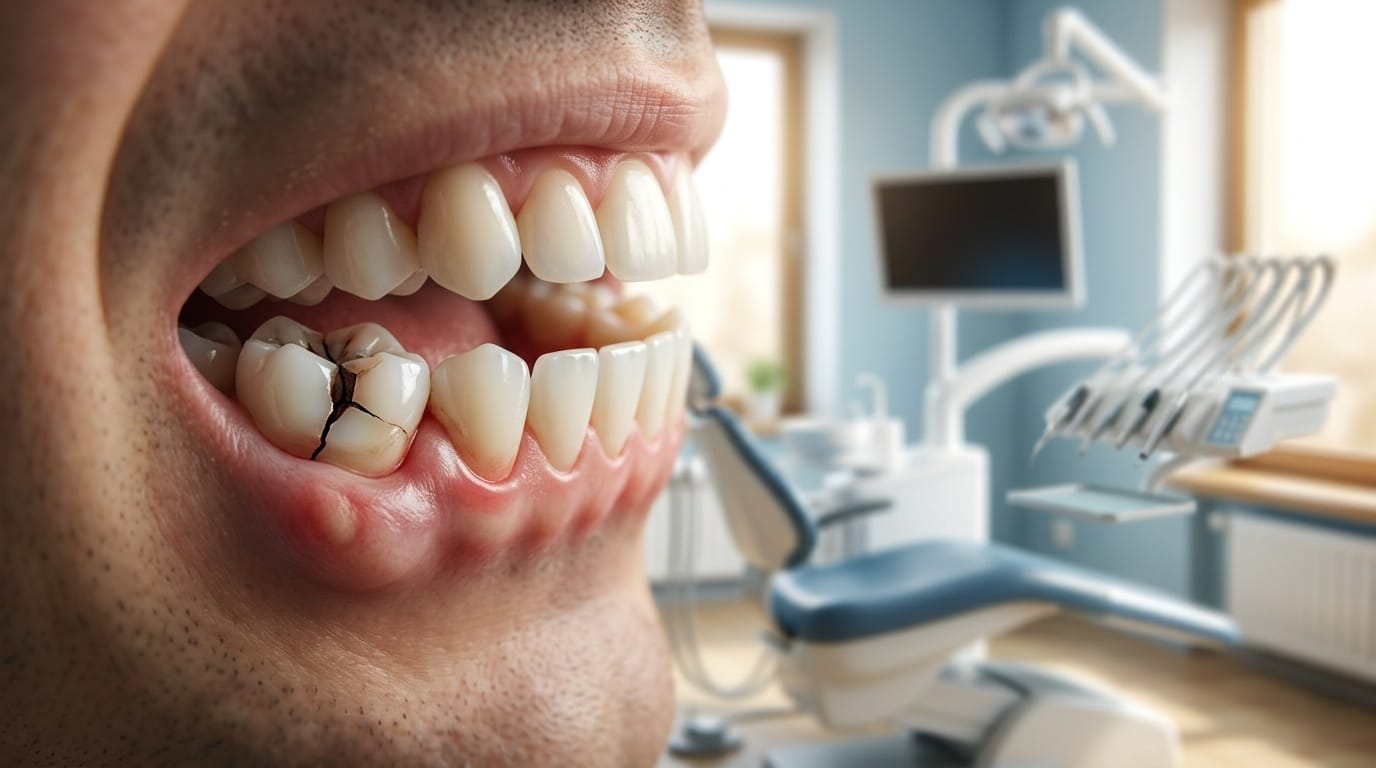
When Is a Tooth Extraction Truly Necessary? Signs Brookline Patients Shouldn’t Ignore
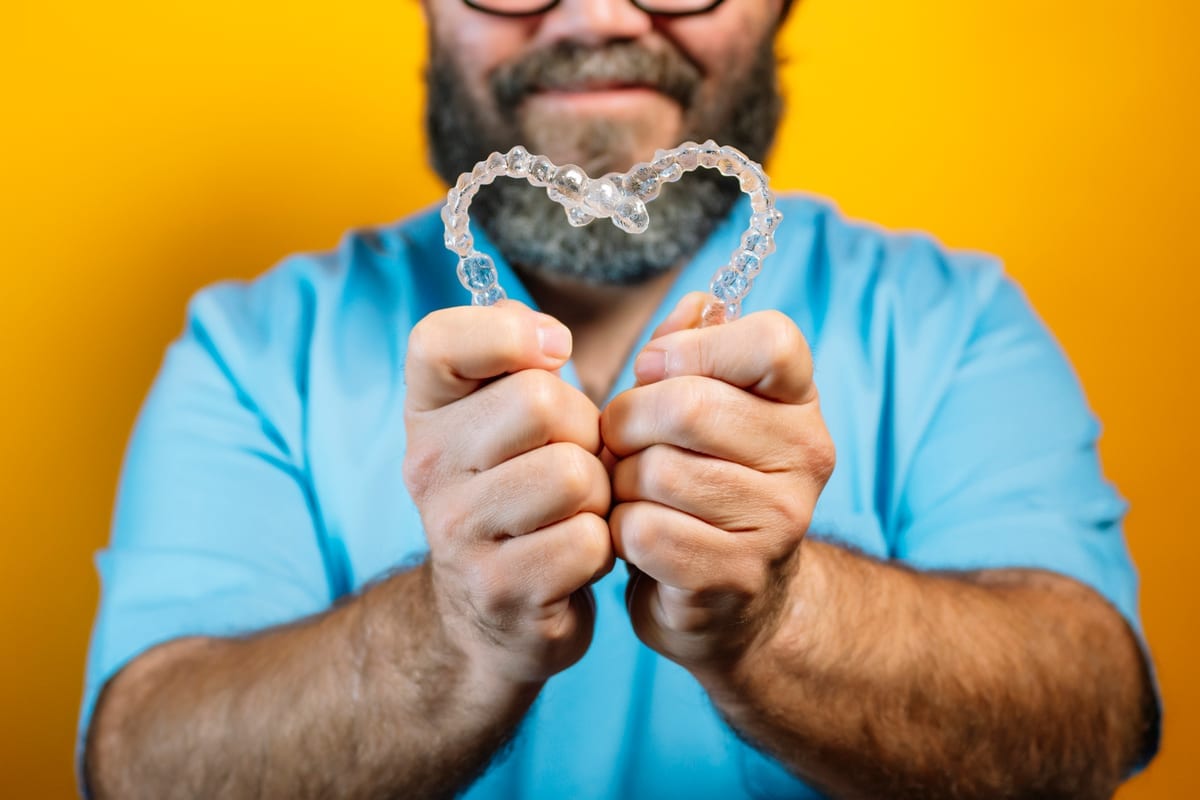
Invisalign at 40, 50, 60: Why It’s Never Too Late for Straight Teeth
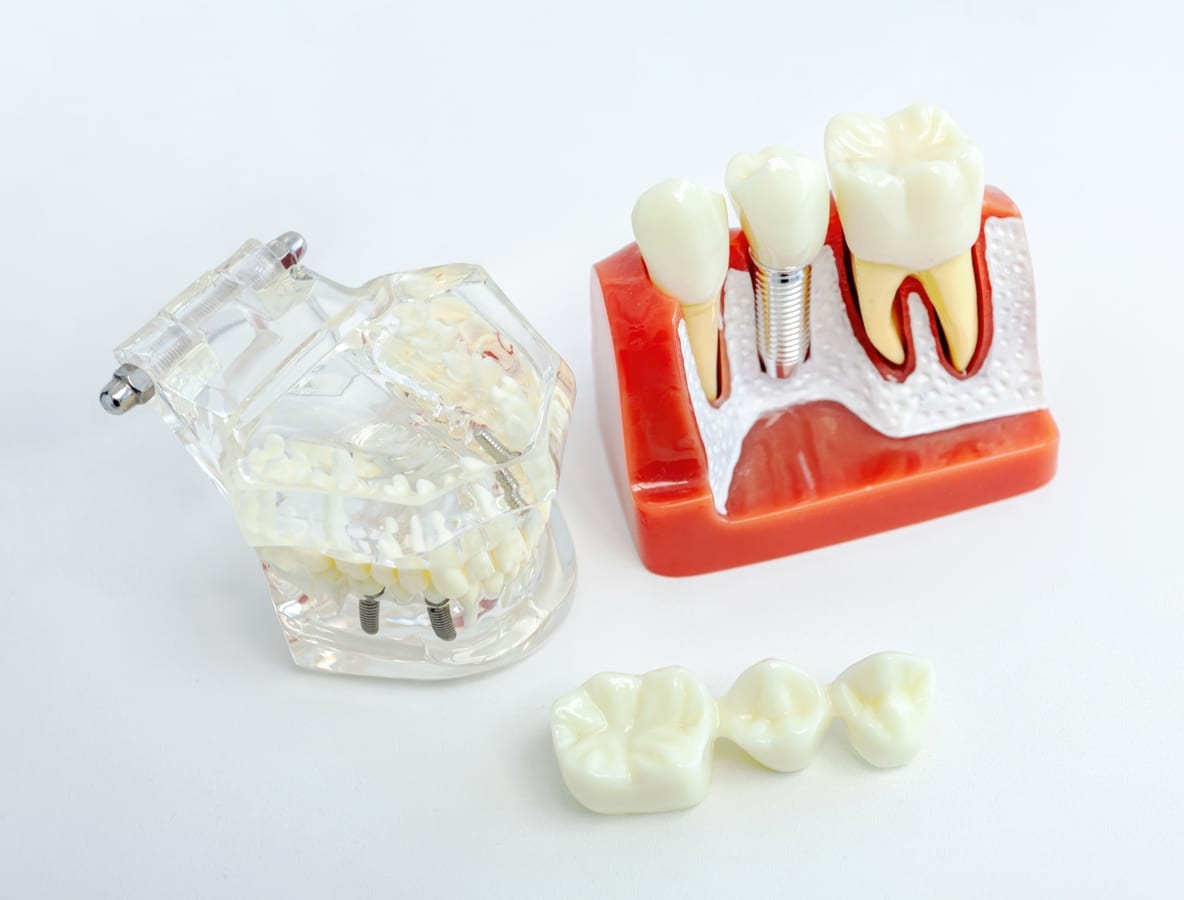
5 Dental Implant Myths That Are Keeping You From Smiling
Denture Candidacy: Your Complete Timeline From Extraction to Wearing
Lost Your Crown? Here’s What to Do Before Your Emergency Visit

Lost Your Crown or Filling? Here’s What to Do Right Now
Why Your Root Canal Cost More (Or Less) Than Your Friend’s
Dental Bridges in Brookline, MA
Teeth Whitening Not Working? Stains Explained