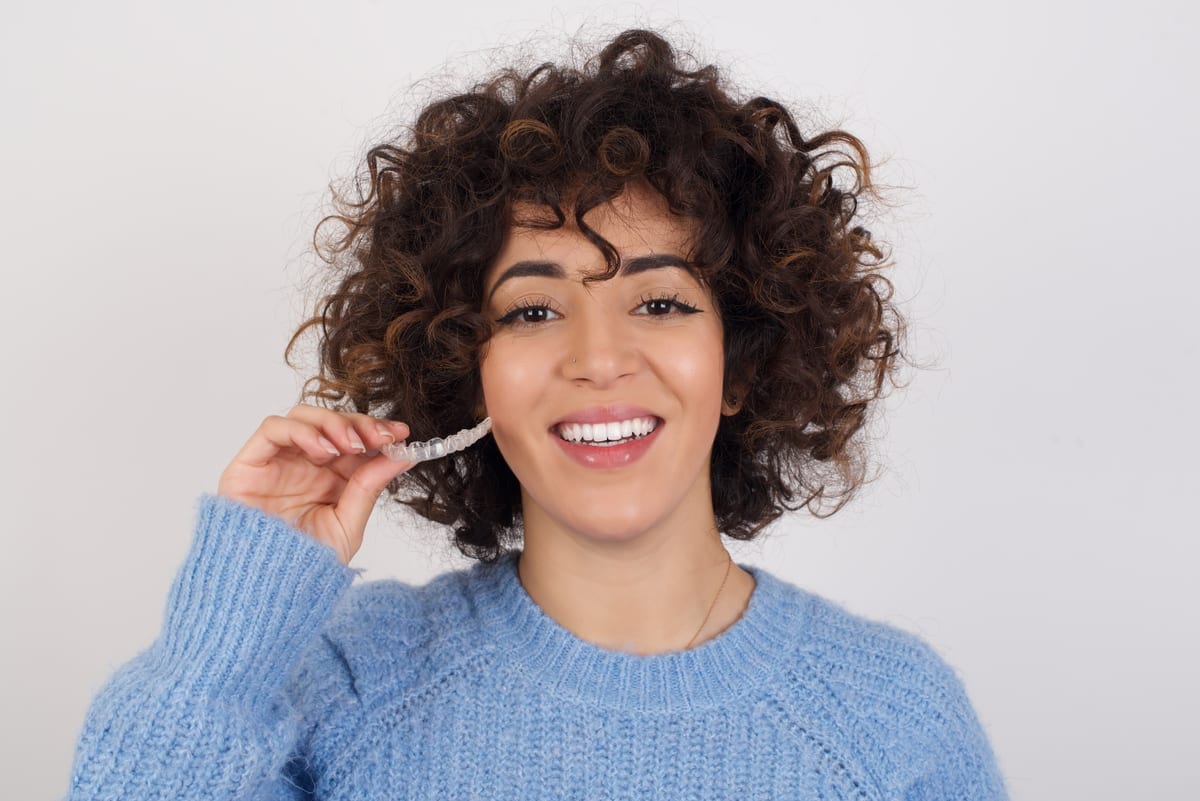
Choosing between Invisalign and braces is one of the most common questions adults ask at Beacon Dental Center. If you’re searching for clarity on Invisalign vs. braces for adults in Beaconsfield, you’re not alone. Both options straighten teeth effectively — but they work very differently. Dr. Richard Shen helps patients weigh each option based on lifestyle, budget, and smile goals.
This guide breaks down the key differences so you can make a confident, informed decision. We’ll cover comfort, appearance, compliance, cost, and the types of cases each treatment handles best. By the end, you’ll have a clear picture of which solution fits your life.
Comfort and Daily Experience: Invisalign vs. Braces in Beaconsfield
Comfort matters enormously when you’re wearing an orthodontic device every day. Traditional metal braces use brackets and wires that press against your teeth and gums. Many adults report soreness after adjustments and occasional irritation from the metal hardware.
Invisalign uses smooth, custom-fitted plastic aligners. There’s no metal to scratch your cheeks or lips. Most patients describe mild pressure when switching to a new aligner tray — but it fades quickly within a day or two.
Here’s how comfort compares side by side:
- Braces: Fixed metal brackets can irritate soft tissue
- Braces: Adjustment appointments often cause soreness for 2–3 days
- Invisalign: Smooth plastic edges reduce gum and cheek irritation
- Invisalign: Removable trays mean no food restrictions
- Invisalign: Pressure is gradual and typically more predictable
For busy adults in Beaconsfield who want minimal disruption to daily life, Invisalign often wins on comfort. That said, some patients find the discipline of wearing aligners 20–22 hours a day challenging.
Visibility and Aesthetics: Which Option Looks Better?
Appearance is often the deciding factor for adult patients. Many adults feel self-conscious wearing metal braces at work, in social settings, or during presentations. Traditional braces are highly visible and clearly noticeable in photos and face-to-face conversations.
Invisalign aligners are nearly invisible. Most people won’t notice you’re wearing them unless they’re looking very closely. This makes Invisalign especially popular among professionals and adults who meet clients or speak publicly.
Ceramic braces offer a middle ground. They use tooth-colored brackets that blend better than metal. However, they can still be visible — and they’re more prone to staining than clear aligners.
If discretion is a priority for you, Invisalign delivers a clear aesthetic advantage. Dr. Richard Shen routinely discusses this factor with adult patients during consultations at Beacon Dental Center in Brookline, MA.
Compliance, Maintenance, and Lifestyle Fit
Braces are fixed to your teeth — there’s no choice about wearing them. That removes one variable from the equation. You don’t need to remember to put them back in after meals. For some adults, that structure is actually helpful.
Invisalign requires strong personal discipline. Aligners must be worn 20–22 hours per day to stay on track. Removing them too often slows treatment and can push back your finish date significantly.
Here’s what maintenance looks like for each option:
- Braces: Avoid sticky, hard, or crunchy foods throughout treatment
- Braces: Use special floss threaders and interdental brushes daily
- Braces: Schedule regular adjustment appointments every 4–6 weeks
- Invisalign: Remove aligners before eating or drinking anything other than water
- Invisalign: Rinse aligners and brush teeth before reinserting
- Invisalign: Switch to a new tray every 1–2 weeks as directed
Adults who travel frequently often prefer Invisalign because check-in appointments can be spaced further apart. Patients with very busy schedules appreciate fewer emergency visits from broken brackets or wires.
Treatment Scope: What Each Option Can Actually Fix
Both Invisalign and braces treat a wide range of alignment issues. However, they’re not equally suited for every case. This is where a clinical evaluation with Dr. Richard Shen becomes essential.
Traditional braces handle more severe malocclusions. Complex bite corrections, significant crowding, and cases requiring precise tooth rotation often respond better to fixed appliances. Orthodontists have used braces for decades with highly predictable outcomes.
Invisalign has improved dramatically over the years. Modern Invisalign technology treats mild to moderate crowding, spacing issues, overbites, underbites, and crossbites effectively. Many cases that once required braces can now be handled with aligners.
However, very severe skeletal misalignment may still require traditional braces or even surgical intervention. Dr. Shen will assess your bite, jaw alignment, and tooth positions during your consultation to determine the right fit.
Cost Comparison: What Adults in Beaconsfield Should Expect
Cost is a practical reality for most adult patients. Traditional metal braces typically cost less than Invisalign, though pricing varies based on case complexity and treatment length. Ceramic braces generally fall between metal and Invisalign in price.
Invisalign fees reflect the technology involved in creating custom aligner series. Complex or longer cases naturally cost more than mild corrections. Beacon Dental Center offers transparent pricing discussions during consultations so patients always know what to expect.
It’s worth noting that the total value includes more than just the appliance. Factor in the comfort, aesthetics, and lifestyle flexibility Invisalign provides. For many adults, that quality-of-life difference justifies the investment.
Both options represent a long-term investment in your smile and oral health. A straighter smile also supports better brushing and flossing habits, which improves overall dental health over time. This connects directly to services like Cosmetic Beaconsfield treatments that build on a healthy, aligned foundation.
When to See Dr. Richard Shen at Beacon Dental Center
The best way to determine your ideal treatment is an in-person evaluation. Dr. Shen examines your teeth, bite, and jaw to give personalized recommendations. No online article — including this one — can replace that clinical assessment.
If you experience dental pain, a broken bracket, or a lost aligner tray during treatment, don’t wait. Emergency Dentistry Beaconsfield services at Beacon Dental Center are available to address urgent issues promptly. Quick care protects your treatment timeline and prevents complications.
Adults who’ve been putting off orthodontic treatment often find the consultation liberating. Knowing your options — and having them explained clearly — makes the decision much easier.
Conclusion: Making the Right Choice for Your Smile
There’s no single winner in the Invisalign vs. braces debate for every adult. The right answer depends on your case complexity, lifestyle, aesthetic priorities, and budget. Invisalign wins on comfort and discretion. Braces win on handling complex cases and removing the compliance variable.
What matters most is getting an expert opinion from a trusted provider. Dr. Richard Shen at Beacon Dental Center in Brookline, MA has helped many Beaconsfield adults achieve straighter, healthier smiles with both options. You deserve a smile solution that fits your real life — not just a generic recommendation. Book Now to schedule your appointment with our team.
Frequently Asked Questions
Is Invisalign as effective as braces for adults?
Invisalign is highly effective for mild to moderate alignment issues, including crowding, spacing, and many bite problems. For very complex cases, traditional braces may offer more precise control. Dr. Richard Shen evaluates each patient individually to recommend the most effective option.
How long does Invisalign treatment take for adults?
Most adult Invisalign treatment takes between 12 and 18 months, depending on case complexity. Mild corrections can take as little as 6 months. Traditional braces typically take 18 to 36 months for adults with more complex alignment needs.
Can I switch from braces to Invisalign mid-treatment?
In some cases, patients can transition between treatment types. However, this depends on how far along treatment has progressed and what your clinical needs are. Dr. Shen would need to conduct a thorough evaluation before recommending any mid-treatment change.
Are there foods I can’t eat with Invisalign?
One major advantage of Invisalign is that you remove the aligners before eating. This means there are no food restrictions during treatment. With traditional braces, sticky, hard, or crunchy foods must be avoided to protect the brackets and wires.
How do I know if I’m a good candidate for Invisalign in Beaconsfield?
The best way to find out is through a consultation with Dr. Richard Shen at Beacon Dental Center. He will examine your teeth, jaw, and bite to determine whether Invisalign or braces is the right fit for your specific smile goals and dental health.
Related Articles
When Is a Tooth Extraction Truly Necessary? Signs Brookline Patients Shouldn’t Ignore
Why Professional Whitening Beats Store-Bought Kits Every Time
Invisalign vs. Braces: Which Adult Smile Solution Actually Wins?
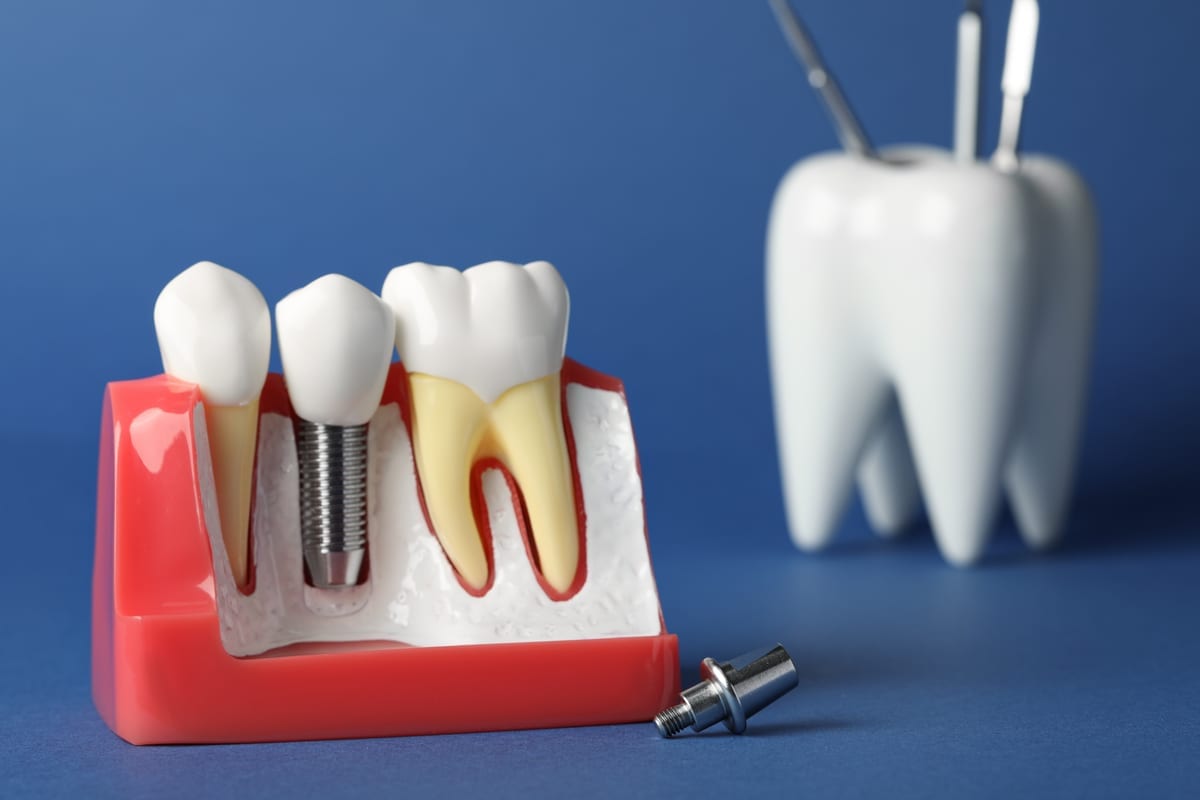
Am I Ready for Dental Implants? What Your Dentist Actually Checks
5 Questions About Dental Bridges Patients Always Ask Us First
Keep Your Whitening Results Lasting: Our Maintenance Guide
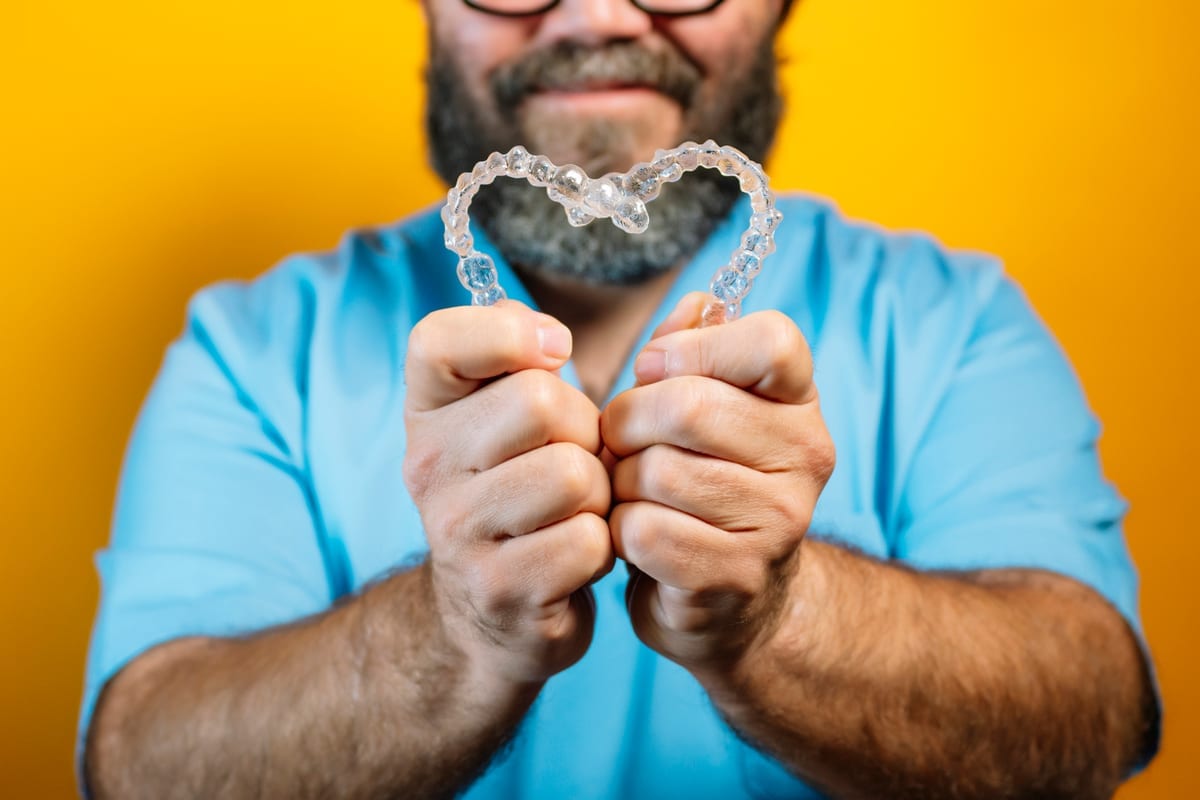
Invisalign at 40, 50, 60: Why It’s Never Too Late for Straight Teeth
5 Dental Implant Myths That Are Keeping You From Smiling
Denture Candidacy: Your Complete Timeline From Extraction to Wearing