
Teeth Whitening Reservoir: Your Most Common Questions Answered
If you are considering teeth whitening in Reservoir, you likely have questions about the process, results, and safety. As prom season and graduations approach, many patients in Brookline and surrounding areas want brighter smiles for their special moments. Dr. Richard Shen at Beacon Dental Center understands these concerns and has compiled answers to the most frequently asked questions about professional teeth whitening.
This comprehensive guide addresses real patient questions to help you make an informed decision. From treatment duration to expected results, we cover everything you need to know about brightening your smile.
How Does Professional Teeth Whitening Actually Work?
Professional teeth whitening uses advanced bleaching agents to break down stains on your tooth enamel. The active ingredient, typically hydrogen peroxide or carbamide peroxide, penetrates the enamel surface. It then breaks apart the chemical bonds that cause discoloration.
Unlike over-the-counter products, professional treatments use higher concentrations of whitening agents. This allows for faster and more dramatic results. The process occurs in a controlled environment where Dr. Shen can protect your gums and soft tissues.
During your appointment, a protective barrier covers your gums. The whitening gel is then applied to your teeth. Some systems use a special light to activate the gel and accelerate the whitening process.
The oxygen molecules from the whitening agent work to lighten the color of your teeth. This happens without damaging the tooth structure itself. Most patients see visible results after just one session.
What Types of Stains Can Teeth Whitening Remove?
Teeth whitening works best on extrinsic stains. These are surface stains caused by external factors. Common causes include coffee, tea, red wine, and tobacco use.
Professional whitening can effectively address several types of discoloration:
- Food and beverage stains from dark-colored items
- Tobacco stains from smoking or chewing
- Age-related yellowing as enamel thins over time
- Some mild fluorosis stains
However, intrinsic stains present more challenges. These stains originate from within the tooth structure. They may result from certain medications, excessive fluoride during tooth development, or trauma.
Dr. Shen can evaluate your specific staining during a consultation. He will determine whether teeth whitening is the right solution. For some intrinsic stains, alternative cosmetic treatments like veneers may be more effective.
How Long Does the Whitening Process Take?
In-office professional whitening typically takes between 60 and 90 minutes. This single appointment can brighten your teeth by several shades. It is an ideal option for Reservoir residents preparing for upcoming events.
The procedure involves multiple steps:
- Initial cleaning and preparation of teeth surfaces
- Application of protective barriers to gums and lips
- Application of whitening gel in multiple rounds
- Optional light activation between applications
- Final rinse and fluoride treatment
Some patients choose take-home whitening kits as an alternative. These custom-fitted trays allow you to whiten at your own pace. Treatment typically spans 10 to 14 days with daily applications.
The timeline depends on your starting shade and desired results. Many patients combine in-office treatment with take-home maintenance. This approach provides immediate results with long-term brightness.
Will Teeth Whitening Hurt or Cause Sensitivity?
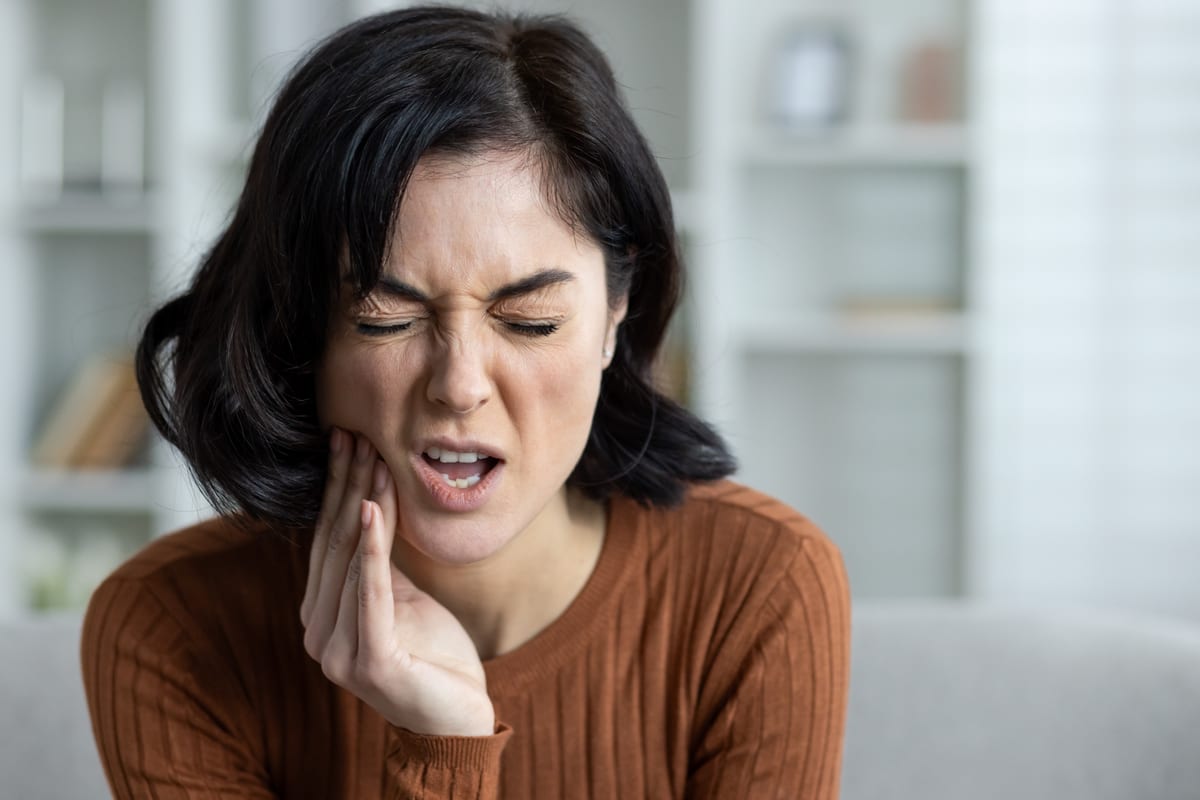
Most patients experience minimal discomfort during professional whitening. However, temporary tooth sensitivity is the most common side effect. This sensitivity usually occurs during or shortly after treatment.
Sensitivity happens because the whitening agent temporarily opens the pores in your enamel. This allows substances to reach the nerve of the tooth more easily. Cold beverages or air may cause brief discomfort.
Dr. Shen takes several precautions to minimize sensitivity:
- Using desensitizing treatments before and after whitening
- Selecting appropriate concentration levels for your teeth
- Protecting gum tissue throughout the procedure
- Recommending sensitivity toothpaste before your appointment
Any sensitivity typically resolves within 24 to 48 hours. Most patients find the temporary discomfort worthwhile for their brighter results. If you have naturally sensitive teeth, mention this during your consultation.
How White Will My Teeth Actually Get?
Results vary based on your starting shade and tooth structure. Most patients lighten by three to eight shades after professional treatment. This creates a noticeably brighter smile without looking artificial.
Your natural tooth color determines your potential results. Yellowish teeth typically respond better than grayish tones. The outer enamel layer plays a significant role in how much whitening can occur.
Dr. Shen uses a shade guide to document your starting point. He can show you realistic expectations based on your unique situation. The goal is a natural-looking enhancement that complements your features.
Individual factors affect your outcome. Tooth thickness, enamel porosity, and stain type all matter. Most Reservoir patients express satisfaction with their results, especially when they follow post-treatment care instructions.
Can I Drive Home After My Whitening Appointment?
Yes, you can absolutely drive yourself home after teeth whitening. The procedure is completely non-invasive and requires no sedation. You remain fully alert and functional throughout the appointment.
Teeth whitening involves only topical applications to your tooth surfaces. There are no injections, drilling, or anesthesia required. You can return to your normal activities immediately.
Many Reservoir patients schedule whitening appointments during their lunch break. Others prefer weekend appointments before social events. The convenience makes professional whitening ideal for busy schedules.
The only consideration is potential temporary sensitivity. Some patients prefer soft foods and avoid extreme temperatures for a few hours. But this does not affect your ability to drive or work.
How Long Do Whitening Results Last?
Professional whitening results typically last between six months and two years. The duration depends on your habits and maintenance routine. Patients who avoid staining foods and practice good hygiene enjoy longer-lasting results.
Several factors influence how long your bright smile stays vibrant. Coffee consumption, wine drinking, and tobacco use accelerate staining. Your oral hygiene routine also plays a crucial role.
To extend your results, consider these maintenance tips:
- Brush twice daily with whitening toothpaste
- Rinse your mouth after consuming dark beverages
- Use a straw for staining drinks when possible
- Schedule regular cleanings at Beacon Dental Center
- Consider periodic touch-up treatments
Many patients return for touch-ups once or twice yearly. These maintenance sessions keep your smile bright year-round. Take-home trays make touch-ups convenient and affordable.
Why Choose Professional Whitening Over Store-Bought Products?
Professional whitening delivers superior results in less time. Over-the-counter products use lower concentrations of bleaching agents. This means slower results and less dramatic improvements.
Custom-fitted trays ensure even coverage across all teeth. Store-bought strips and trays often miss areas or slide around. This can lead to uneven whitening and wasted product.
Safety represents another key advantage. Dr. Shen monitors your treatment to prevent gum irritation and enamel damage. He customizes the approach based on your dental health and sensitivity levels.
Professional treatment also comes with expert guidance. You receive personalized advice for maintaining your results. This ongoing support helps you maximize your investment in your smile.
Is Teeth Whitening Safe for My Dental Work?
Teeth whitening only affects natural tooth enamel. It does not change the color of dental restorations. Crowns, veneers, fillings, and bridges remain their original shade.
This consideration matters when planning your treatment. If you have visible restorations in your smile zone, they may not match after whitening. Dr. Shen evaluates your existing dental work during your consultation.
For some patients, replacing old restorations after whitening makes sense. This allows you to match the restorations to your new, brighter tooth shade. The timing depends on your goals and budget.
Whitening is safe for teeth with fillings and other dental work. The treatment does not harm restorations or weaken them. However, understanding the color mismatch helps you set realistic expectations. Visit our services page to explore complementary cosmetic options.
What Should I Avoid After My Whitening Treatment?
The first 48 hours after whitening are critical for maximizing results. Your tooth enamel remains slightly porous during this period. It is more susceptible to staining from certain foods and beverages.
Dentists often recommend the ‘white diet’ after whitening. This means avoiding anything that could stain a white shirt. Dark or brightly colored foods and drinks should be temporarily eliminated.
Items to avoid include:
- Coffee, tea, and dark sodas
- Red wine and dark beers
- Berries and tomato-based sauces
- Soy sauce and balsamic vinegar
- Tobacco products of any kind
Good options during this period include chicken, fish, white rice, and pasta with cream sauce. Clear or light-colored beverages work well. Water remains your best choice for staying hydrated.
After 48 hours, you can gradually reintroduce these items. However, moderation helps maintain your bright smile longer. This is especially important as we approach summer months in Reservoir.
Conclusion: Your Path to a Brighter Smile in Reservoir
Teeth whitening offers a safe and effective way to enhance your smile. Professional treatment provides dramatic results that over-the-counter products cannot match. Dr. Richard Shen and the team at Beacon Dental Center combine expertise with personalized care.
Whether you are preparing for graduation photos or simply want to refresh your appearance, professional whitening delivers. The procedure fits easily into your schedule with minimal downtime. Results appear immediately and can last for months with proper care.
Understanding the process helps you feel confident in your decision. From managing sensitivity to maintaining your results, knowledge empowers you. Your questions deserve thorough, honest answers from an experienced professional.
Ready to brighten your smile? Book Now to schedule your appointment with our team.
Frequently Asked Questions
Does teeth whitening damage tooth enamel?
Professional teeth whitening does not damage tooth enamel when performed correctly. The bleaching agents used by Dr. Shen are specially formulated to penetrate stains without harming tooth structure. Unlike abrasive products that wear down enamel, professional whitening works chemically to break apart stain molecules. Following post-treatment care instructions ensures your enamel remains strong and healthy.
Can I whiten my teeth if I have cavities?
Cavities should be treated before whitening procedures. The whitening gel can penetrate decay and reach the inner tooth, causing discomfort and potential damage. Dr. Shen will examine your teeth and address any cavities or dental issues first. Once your oral health is optimal, you can safely proceed with whitening for the best results.
How soon before an event should I schedule whitening?
Schedule your whitening appointment one to two weeks before your special event. This timing allows any temporary sensitivity to resolve completely. It also gives you time for a touch-up if needed. For prom or graduation in Reservoir, booking early ensures availability during this busy season.
Will whitening work on tetracycline stains?
Tetracycline staining is one of the most challenging types to treat. Professional whitening can improve appearance but may not completely remove these deep intrinsic stains. Dr. Shen can assess your specific situation and recommend the best approach. Alternative cosmetic treatments like veneers may provide more dramatic results for severe tetracycline staining.
Can teenagers get their teeth whitened?
Teeth whitening is generally safe for teenagers once all permanent teeth have erupted. This typically occurs around age 13 to 14. However, younger teeth may be more sensitive to whitening treatments. Dr. Shen evaluates each patient individually to determine the appropriate timing and approach. Many teens in Reservoir choose whitening before prom or senior photos.
Related Articles
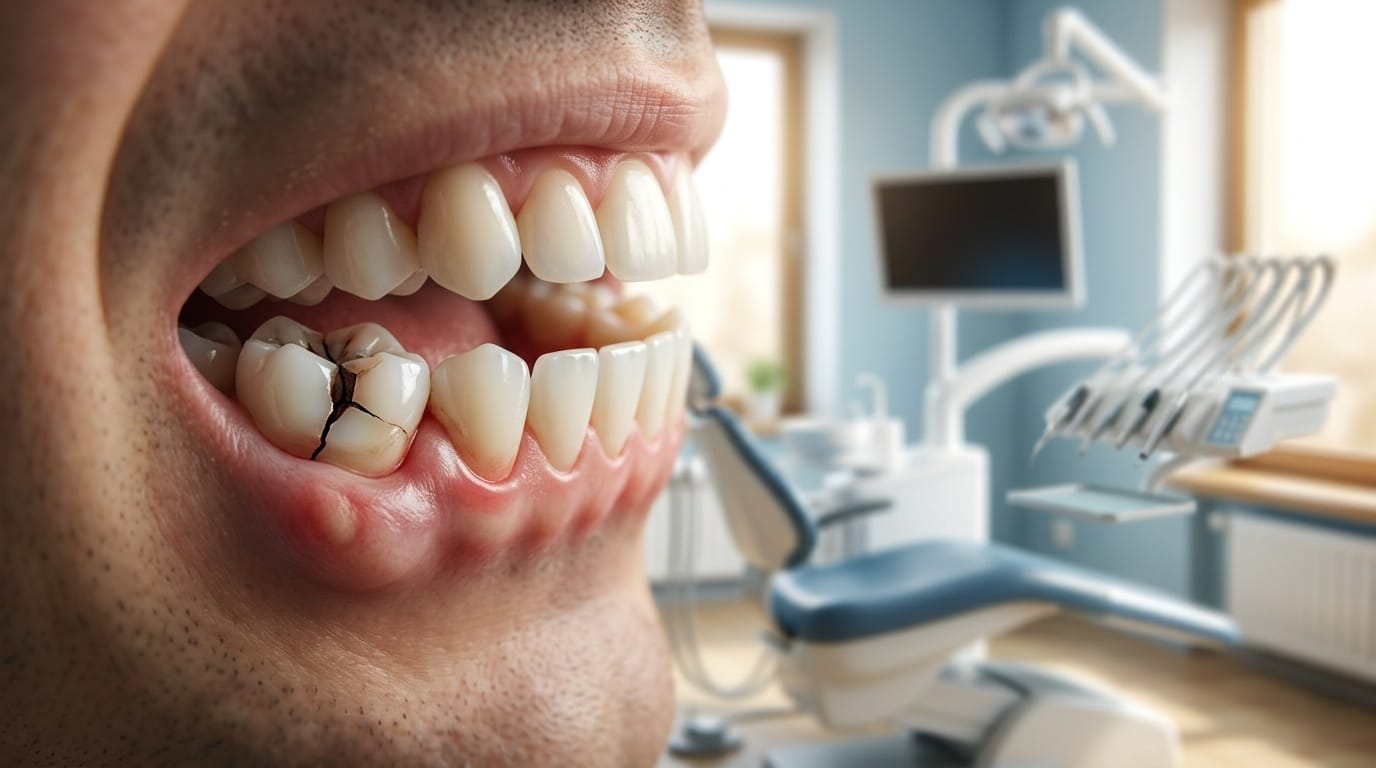
When Is a Tooth Extraction Truly Necessary? Signs Brookline Patients Shouldn’t Ignore
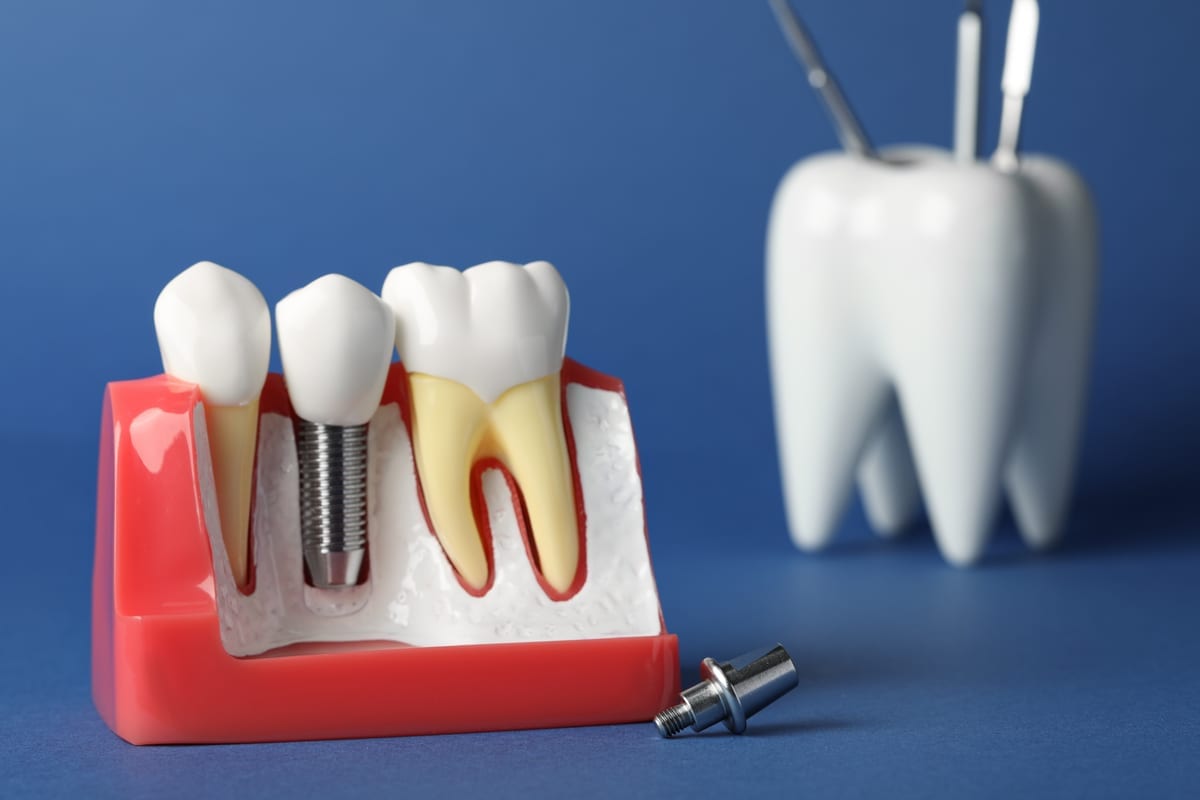
Am I Ready for Dental Implants? What Your Dentist Actually Checks
5 Questions About Dental Bridges Patients Always Ask Us First
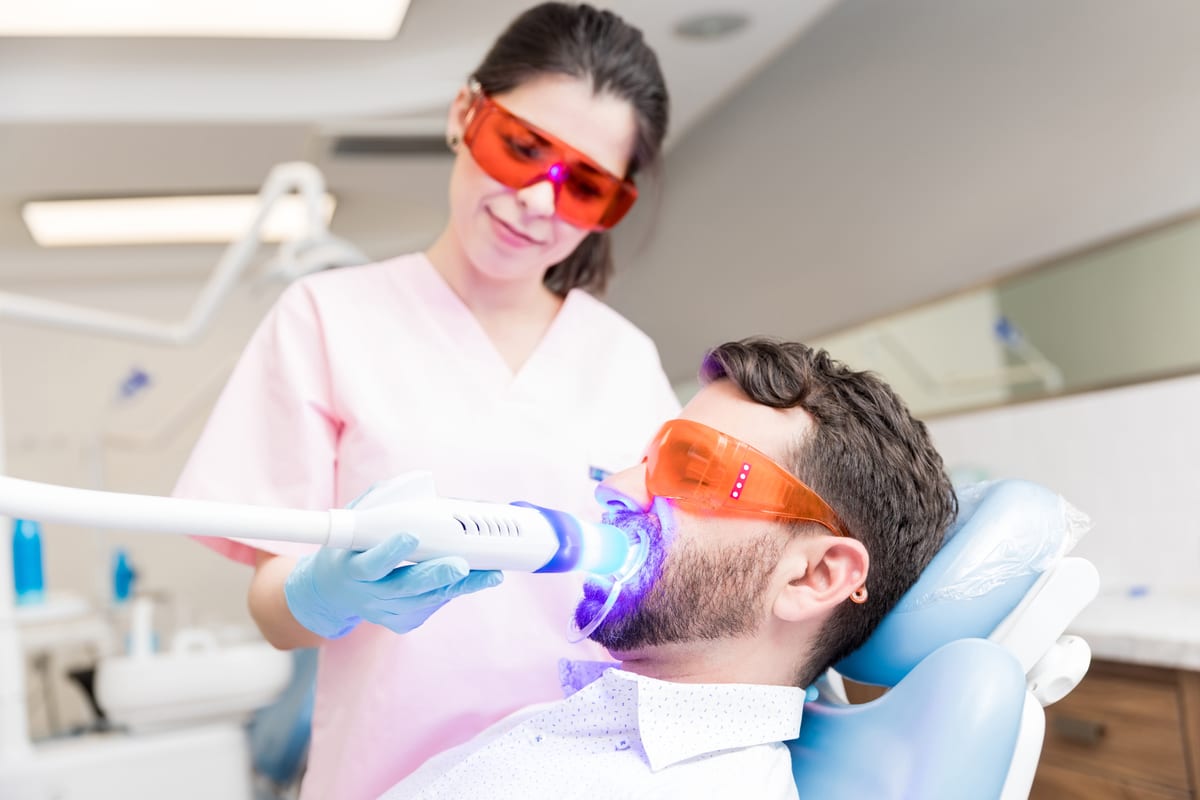
Keep Your Whitening Results Lasting: Our Maintenance Guide
Invisalign at 40, 50, 60: Why It’s Never Too Late for Straight Teeth
5 Dental Implant Myths That Are Keeping You From Smiling
Denture Candidacy: Your Complete Timeline From Extraction to Wearing
Lost Your Crown? Here’s What to Do Before Your Emergency Visit
Lost Your Crown or Filling? Here’s What to Do Right Now